Wondering whether Terravita is the right kind of Scottsdale home base for part-time living? If you want sunshine, a gated setting, and an active club lifestyle, it can be a very appealing option. At the same time, seasonal ownership here comes with structure, rules, and membership expectations that are important to understand before you buy. Let’s dive in.
Terravita at a Glance
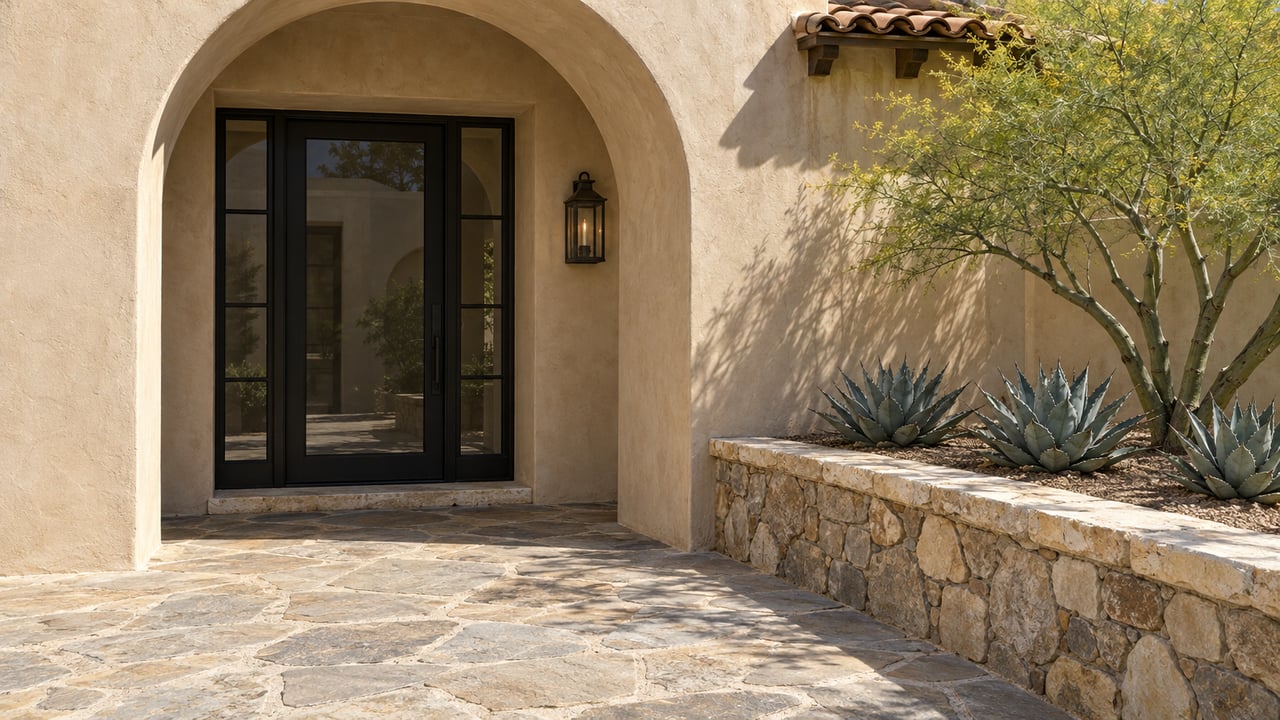
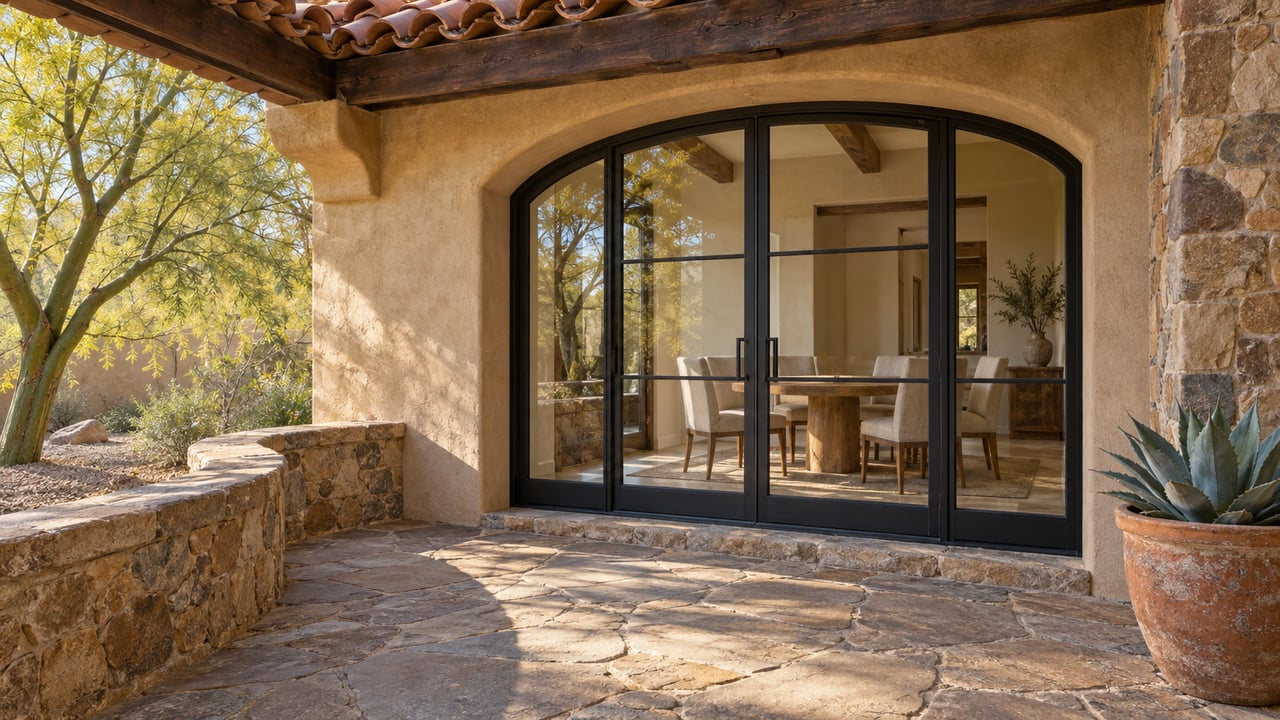
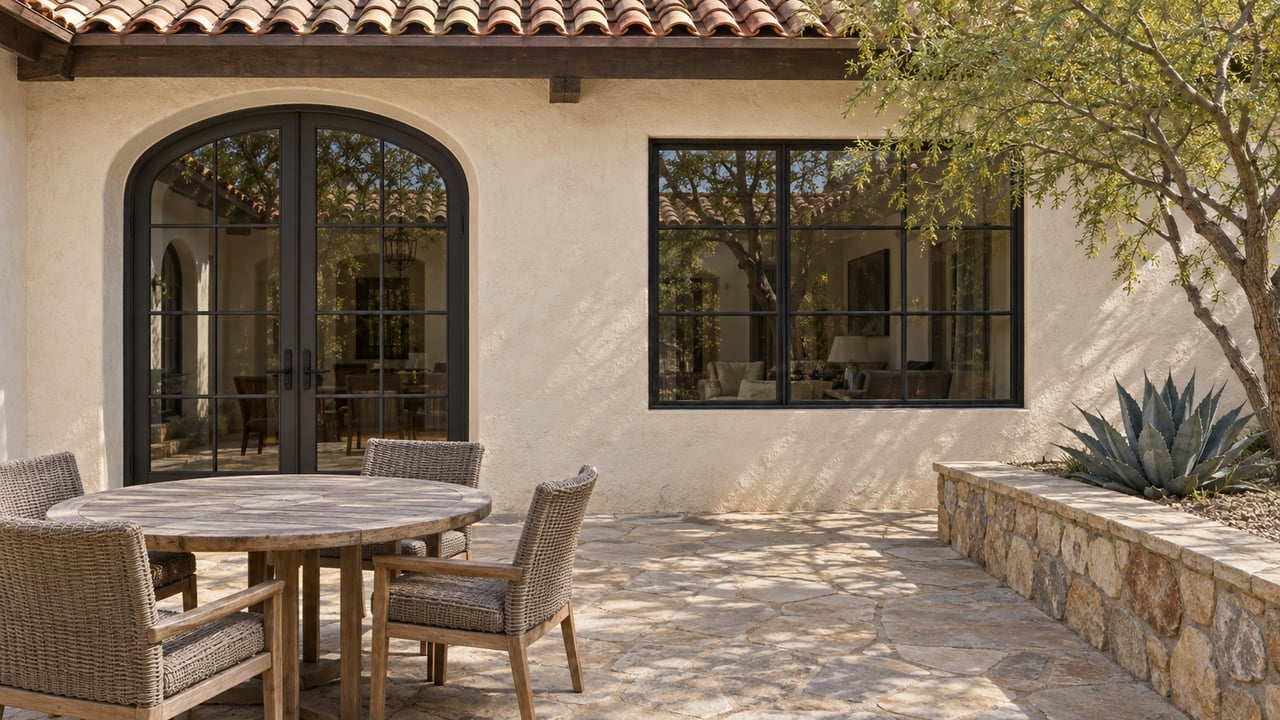
Terravita is a private, member-owned, all-age gated community in North Scottsdale. It spans 823 acres, includes 23 neighborhoods, and has 1,380 homes built around 21 original floor plans, with many homes later remodeled or expanded.
For seasonal residents, that setup matters. Terravita tends to feel more like a residential club community than a casual vacation-home neighborhood because homeowners must hold Country Club membership, while Golf Club membership is optional.
Why Seasonal Residents Consider Terravita
If you picture your Arizona home as more than just a place to sleep, Terravita checks several important boxes. It combines gated entry, established amenities, and a built-in social calendar with a desert setting that feels distinctly North Scottsdale.
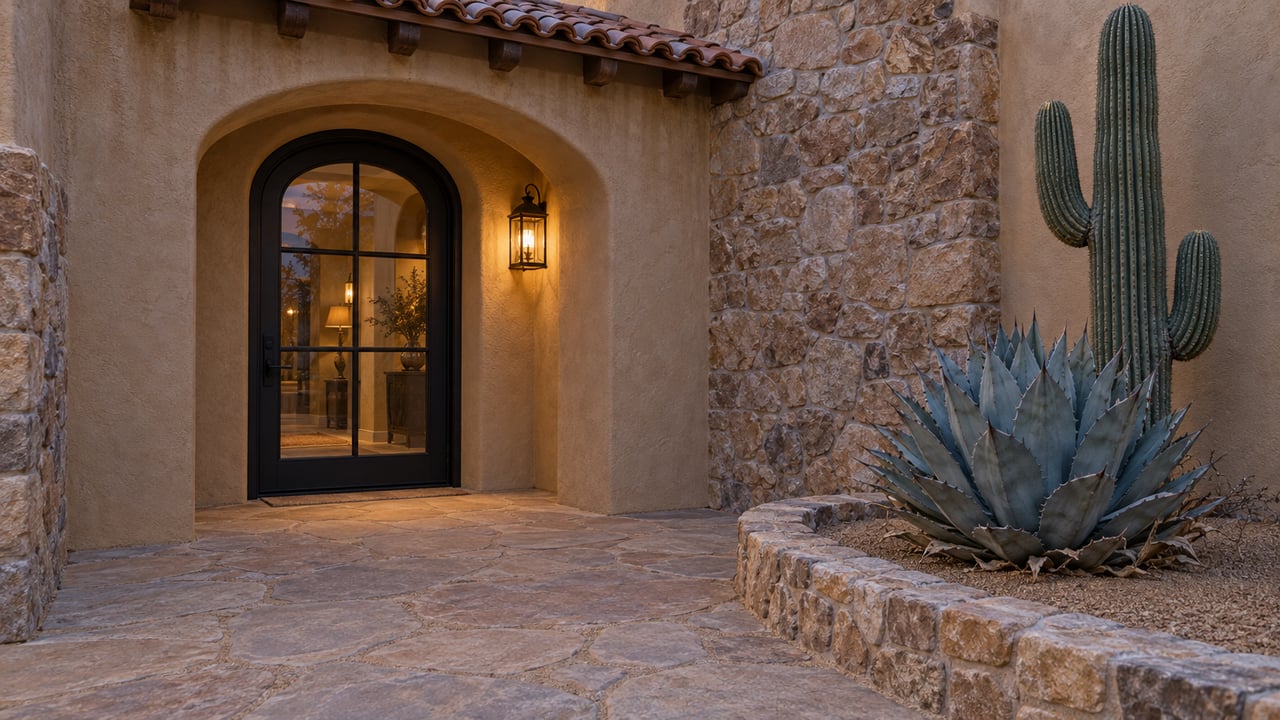
The community also places real emphasis on the Sonoran Desert environment. Preserved open space, wildlife corridors, mature vegetation, and a 2-mile nature trail give the neighborhood a strong outdoor identity beyond the golf course.
Club-Centered Lifestyle
Terravita’s lifestyle revolves around the club. Public materials highlight a Health and Fitness Center, swimming complex, tennis and pickleball center, art studio, the 11,500-square-foot Desert Pavilion, and clubhouse dining and events.
That can be a major plus if you spend only part of the year here. Instead of arriving to a quiet second-home neighborhood with little activity, you step into a community designed around year-round use and member engagement.
Golf as a Strong Draw
Golf is the anchor amenity for many buyers. Terravita features a renovated 18-hole championship course with year-round access, a two-sided range, short-game areas, five tee sets, instruction, and club fitting.
If golf is part of your seasonal routine, that convenience is hard to ignore. You can also sponsor guests to play, and approved personal golf carts are allowed for homeowners when properly set up.
Social Opportunities Built In
One of Terravita’s biggest strengths for seasonal owners is the social side. The club promotes themed parties, wine dinners, holiday BBQs, seminars, volunteer opportunities, neighborhood block parties, and other events throughout the year.
That matters if you want to reconnect quickly each season. A community with regular programming can make it easier to settle back in, meet neighbors, and feel like your second home is part of your real life, not just a temporary stay.
How Terravita Fits Lock-and-Leave Living
Many seasonal buyers want a home that feels secure and manageable when they are away. Terravita offers some real advantages here, but it is not a completely hands-off ownership model.
The HOA maintains common-area walls, fences, landscaping, and streets, and it keeps a reserve fund for those shared assets. That level of standardization can help support a more predictable appearance across the community.
What Helps When You Are Away
For part-time owners, one practical benefit is consistency. Community systems and design rules help create a more uniform environment, which can be reassuring if your property sits vacant for stretches of the year.
Terravita is also gated, and guest access is managed through a structured system. Vendors must be placed on the guest list, and gate-access profiles need to stay current, which means there is a process in place rather than a free-form setup.
What Requires Planning Ahead
The tradeoff is that Terravita is rule-driven. Exterior changes to structures, lots, landscaping, and lighting require written approval, and homeowners cannot work outside their own lot lines.
That may not bother you if you like clear standards. But if you prefer maximum flexibility with your property, or you expect to make frequent exterior changes without formal review, Terravita may feel more structured than you want.
Parking and Storage Limits
Seasonal buyers should also pay attention to parking and storage rules. Overnight street parking requires a variance, and RV, boat, and trailer storage is restricted.
Those policies are not unusual for a gated community, but they do affect day-to-day convenience. If your seasonal routine includes extra vehicles or recreational storage needs, it is worth reviewing those details early.
Rental Flexibility Is Limited
If you are hoping to rent out your home in short bursts when you are not using it, Terravita may not be the best fit. Short-term rentals are limited to 30 consecutive days or longer, and the home must be leased as a whole home.
That means Terravita is generally a stronger match for buyers who want personal use first, with more occasional or longer-term rental plans. It is a weaker match for owners looking for highly flexible vacation-rental income.
What the Seasonal Calendar Looks Like
Terravita’s appeal for seasonal residents is closely tied to Scottsdale’s weather pattern. The most comfortable outdoor season lines up closely with the months many part-time residents prefer to be in Arizona.
Best Months for Outdoor Living
November through February is the core snowbird season. At Scottsdale Municipal Airport, average highs run in the mid-60s to high-60s, with lows in the low- to mid-40s.
That weather pairs well with golf, walking, patio dining, and club events. For many seasonal owners, this is the sweet spot for getting the most from the lifestyle.
Spring Stays Strong
March and April remain very outdoor-friendly. Average highs move from 75.7°F in March to 82.8°F in April, which keeps patios, walking paths, and golf rounds comfortable for many people.
If you like to stay through spring, Terravita still supports an active routine without the pressure of summer heat. That can extend the useful season of a second home in a meaningful way.
Summer Changes the Rhythm
By May and June, the heat becomes more serious. Average highs rise to 91.8°F in May and 102.0°F in June.
From July through September, average highs stay around 104.1°F in July, 102.9°F in August, and 98.2°F in September. This is also monsoon season, so outdoor activity tends to shift to early mornings and evenings.
October Feels Like a Return
October often works as a re-entry month for seasonal owners. Average highs drop to 87.3°F, which makes it easier to resume outdoor routines and enjoy the club calendar again.
Scottsdale also stays generally dry overall, with annual precipitation normal at 8.73 inches. For many buyers, that dry climate profile is part of the long-term appeal.
How Terravita Compares Nearby
Seasonal buyers often compare several North Scottsdale communities before making a move. Terravita stands out because it lands somewhere between a broad master-planned neighborhood and a highly service-driven private club model.
Grayhawk is larger and more neighborhood-oriented, with nearly 3,800 homes across 31 neighborhoods and more than 30 miles of trails. DC Ranch operates more as a broader planned community where club membership is not tied to real estate ownership.
Desert Highlands presents a more concierge-heavy model, with a residential services team that can inspect homes and help watch over them while owners are away. Compared with those options, Terravita appears to sit in the middle: more club-centered than Grayhawk, more tied to ownership than DC Ranch’s club structure, and less concierge-driven than Desert Highlands.
Who Terravita Usually Fits Best
Terravita can be a strong fit if you want your seasonal home to come with community, routine, and amenities built in. It especially suits buyers who like golf or club living, value a gated setting, and are comfortable with structured HOA procedures.
It may also work well if you want a second home that feels established rather than transient. The combination of required Country Club membership, organized social programming, and managed common areas gives Terravita a more rooted, residential feel.
When Terravita May Not Be the Best Match
Terravita is not ideal for every seasonal buyer. If your top priority is flexible short-term renting, minimal oversight, or a highly customized ownership experience without approvals and process, you may find the community too regulated.
It may also be a weaker fit if you want a community with stronger home-watch or concierge-style absentee services built directly into the lifestyle. In that case, another North Scottsdale option may align better with how you plan to use the property.
The Bottom Line
For many seasonal residents, Terravita is a very good fit. It offers an active, gated, golf-forward North Scottsdale lifestyle with strong social programming, established amenities, and manageable shared-area upkeep.
The key is going in with the right expectations. If you want an engaged club community and do not mind planning within HOA and membership rules, Terravita can be a strong seasonal home base. If you want looser rental rules or less oversight, you may be happier elsewhere.
If you are weighing Terravita against other North Scottsdale options, working with a local team can help you compare lifestyle fit, ownership rules, and day-to-day practicality before you commit. When you are ready for a concierge-level guide to Scottsdale communities, connect with Torie Ellens.
FAQs
Is Terravita in Scottsdale a good option for snowbirds?
- Yes, Terravita appears to be a strong option for many snowbirds because it offers gated access, required Country Club membership, active social programming, and amenities that line up well with Scottsdale’s most comfortable seasonal months.
Do Terravita homeowners have to join the club?
- Yes, homeowners must hold Country Club membership in Terravita, while Golf Club membership is optional.
Can you rent out a home in Terravita for short stays?
- No, Terravita limits rentals to 30 consecutive days or longer, and the lease must cover the whole home.
Is Terravita easy to manage if you only live there part of the year?
- It can be manageable for part-time owners because the HOA maintains certain common areas and the community has standardized rules, but you still need to plan ahead for gate access, vendors, and any exterior changes.
What is Terravita like in summer for seasonal owners?
- Summer in Terravita is much hotter, with average highs above 100°F in June, July, and August, so many owners shift toward early morning or evening outdoor time and more indoor or pool-based activities.
How does Terravita compare with other North Scottsdale golf communities?
- Terravita appears to offer a middle-ground option: more club-centered than larger neighborhood-focused communities like Grayhawk, more tied to ownership than DC Ranch’s club model, and less concierge-driven than Desert Highlands.