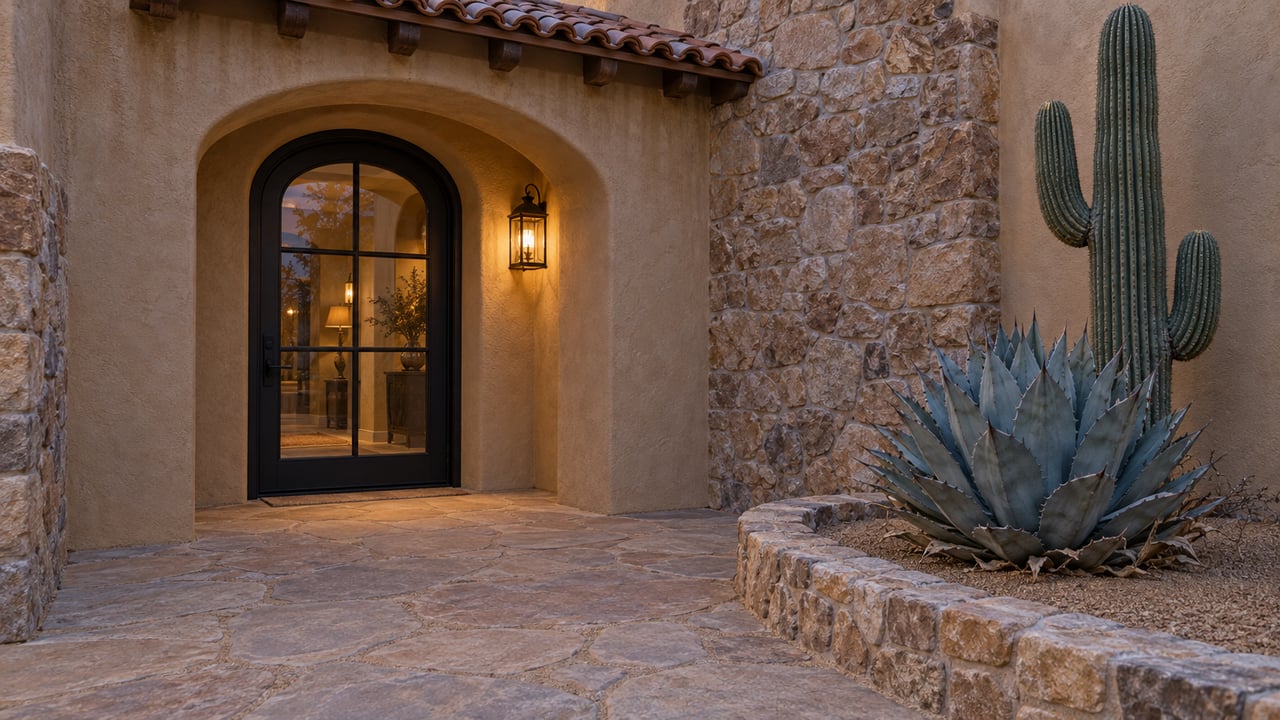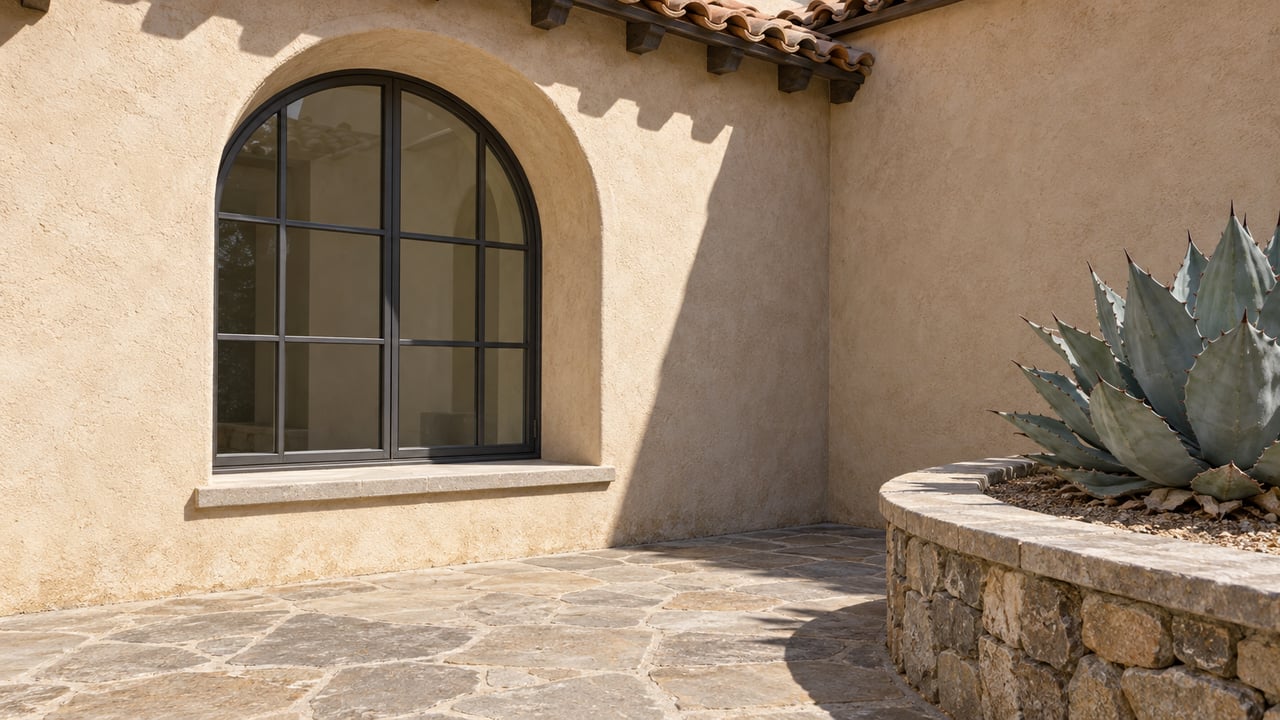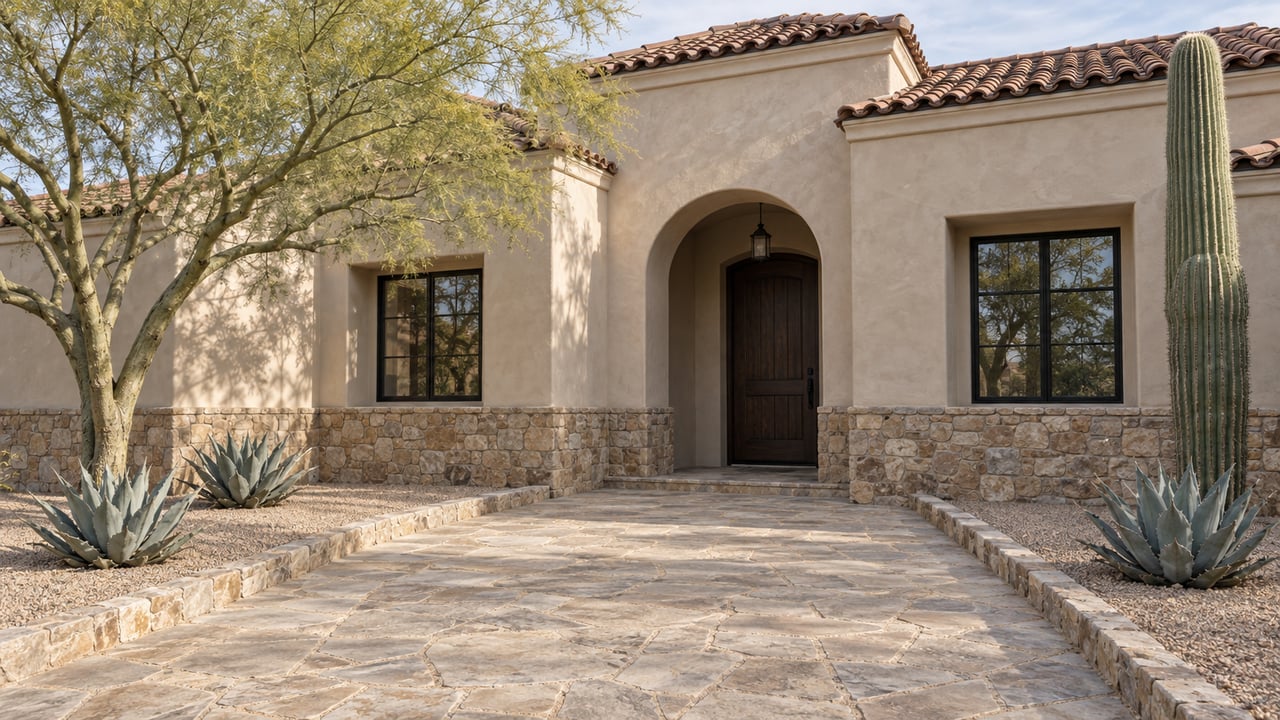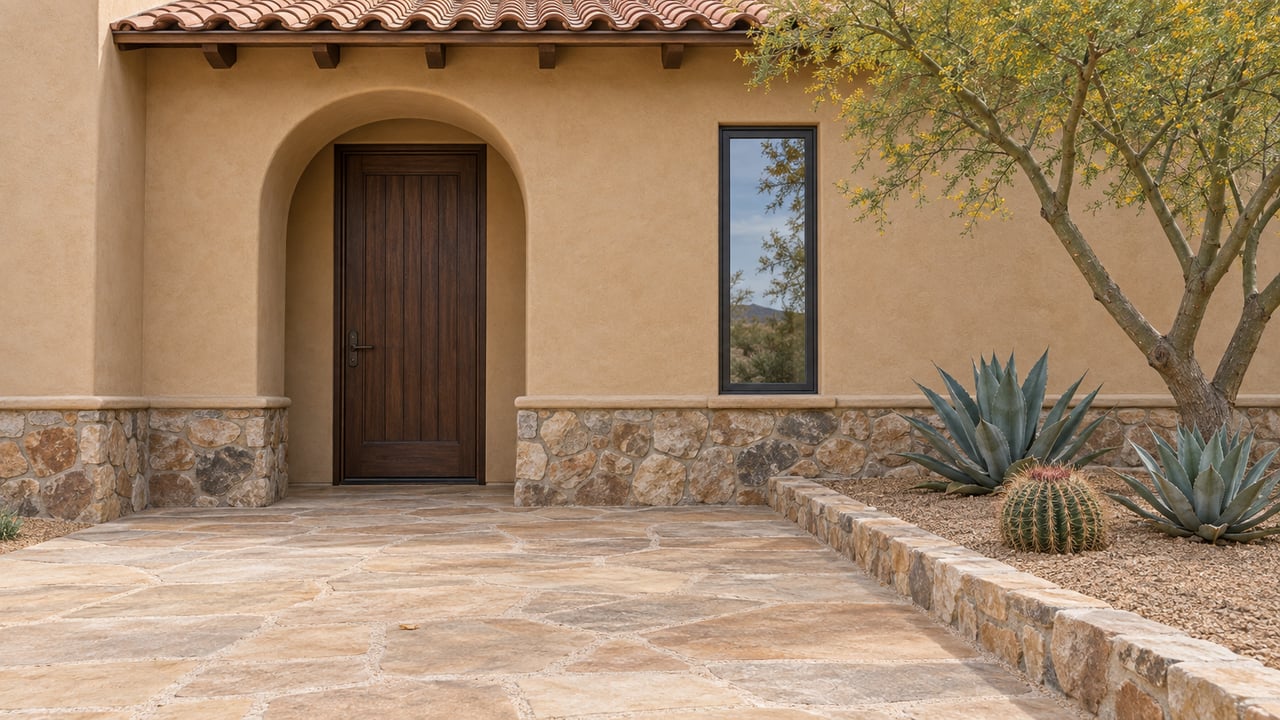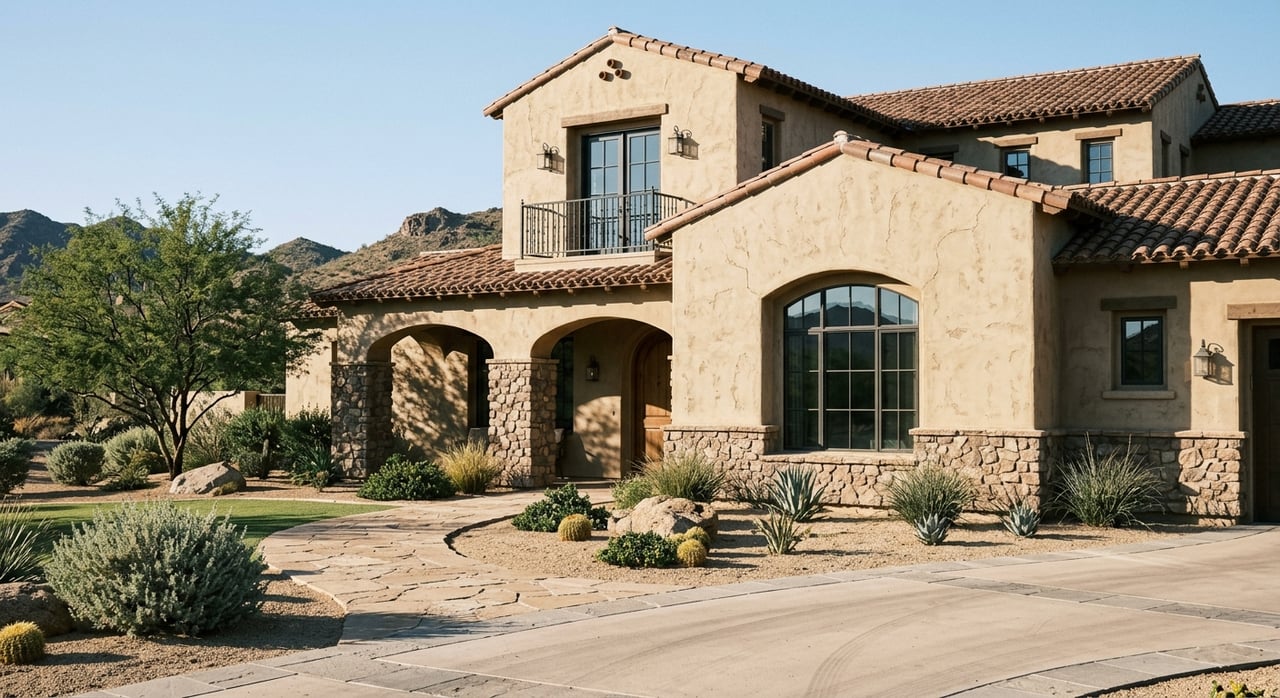
If you love the look of Troon Village, you are not alone. The community’s desert setting, mountain views, and carefully maintained exterior character are a big part of its appeal. If you are thinking about buying here, or planning changes after you close, understanding the HOA structure and architectural rules can help you avoid delays, surprises, and added costs. Let’s dive in.
How Troon Village HOA Oversight Works
Troon Village is a 1,400-acre master-planned golf community in North Scottsdale with about 1,300 home sites. According to the Troon Village Association, the community includes 12 sub-associations. That means many owners are subject to both the master association and a neighborhood-level HOA.
This two-layer structure matters because the Troon Village Association, often called TVA, oversees community-wide standards tied to construction, remodeling, and exterior changes. Sub-associations handle certain neighborhood-specific issues such as common-area maintenance, road repairs, and access gates. When rules conflict, the more restrictive sub-association rule controls.
The published sub-association roster includes Artesano, Ballantrae Ridge, Desert Views/Four Peaks, Glenn Moor, Quail Ridge, Skye Top, Troon East/Saddleback, Troon Fairways, Troon Mountain Community Association, Tusayan, Whispering Ridge, and Windy Walk Estates. If you are reviewing a property, confirming the exact sub-association should be one of your first steps.
Why Architectural Rules Matter in Troon Village
Troon Village’s design standards are not just about appearances. TVA says the rules are meant to preserve the Sonoran Desert environment while maintaining a southwestern character without making homes look alike. In practice, that means the review process focuses on both visual consistency and site-sensitive design.
The standards emphasize minimizing disturbance to natural plants, washes, rock outcroppings, and drainage patterns. On larger lots, a Development Envelope helps define where construction and improvements can occur. That can affect future plans for additions, walls, landscaping, lighting, and outdoor amenities.
For some properties, Scottsdale’s Environmentally Sensitive Lands Overlay and Natural Area Open Space requirements can also shape what you can and cannot do. These protections are intended to preserve vegetation, washes, ridges, and scenic corridors. If a lot includes NAOS easements, those restrictions remain with the property after ownership changes.
When ARC Approval Is Required
In Troon Village, any exterior or landscape change requires Architectural Review Committee review and written approval before work begins. This is one of the most important rules for buyers to understand. Even changes that feel minor can still require review.
TVA uses different forms for different project types. These include new construction and major remodels, minor exterior changes, paint, flat-roof resurfacing, major landscape and lighting projects, solar devices, satellite dishes, and temporary dumpsters.
The Architectural Review Committee is a five-member body made up of one TVA board member serving as chair and four owner-elected volunteers, with support from a paid consultant. The standards also say the stricter rule among TVA standards, Scottsdale codes, or other applicable guidelines controls. That means HOA approval does not replace city requirements, and city requirements do not replace HOA approval.
Key ARC Deadlines and Process Details
Timing matters if you plan to make changes soon after closing. Preliminary and final submittals must reach the ARC at least five business days before the committee meeting. Incomplete submittals are not accepted, which can easily push a project into the next review cycle.
Written approval expires after six months. If your remodeling schedule is delayed, you may need to resubmit or update the approval depending on the scope and timing.
TVA also advises owners to seek ARC approval before submitting to the City of Scottsdale when both approvals may be needed. Starting work without written approval can lead to a stop-work order and fines. For buyers, this is a strong reason to review planned projects during the inspection and due diligence period, not after closing.
Exterior Rules That Often Affect Buyers
Many Troon Village rules are straightforward once you know where to look. The challenge is that buyers often focus on the home itself and do not realize how many exterior features are controlled.
Here are some of the most common categories that can affect day-to-day ownership and future improvements:
Landscaping and Plant Standards
Troon Village favors low-water-use, hardy, noninvasive plants. TVA maintains approved and prohibited plant lists, and homeowners are expected to keep lots neat and weed-free.
You also cannot completely remove all front-yard plants. New landscape installations and renovations need ARC approval, although replacing dead plants with similar approved plants is allowed without formal review.
If the property includes NAOS, the rules get tighter. In those areas, work is limited, and permanent irrigation is not permitted.
Lighting Rules and Dark-Sky Protection
Outdoor lighting requires prior written approval. Fixtures must be shielded and cannot shine onto neighboring properties or streets.
TVA limits lighting in ways that support dark-sky conditions and protect nighttime views of the desert, mountains, and valley. Landscape lighting is not allowed in natural areas and is limited in transitional areas.
Holiday lighting is also regulated. It may be installed no more than 30 days before a holiday and must be removed within 15 days afterward.
Paint, Roofs, Walls, and Fencing
Exterior paint colors must come from the TVA approved palette. The standards call for flat or low-sheen body paint, low-gloss or satin garage-door finishes, and no reflective finishes.
Roof material, color, and texture are also ARC-controlled. Visible flat roofs must match the approved palette, and white roofs are not permitted.
Walls and fencing are another area where buyers can be surprised. TVA generally prefers view fencing over long solid fence runs because it preserves desert and golf-course views. Walls must stay within the Development Envelope, use compatible materials, and usually function as part of the home’s architecture instead of acting as simple lot-line barriers.
Pools, Doors, Windows, and Equipment
Pools, spas, and hot tubs should be screened from street views and NAOS views. Negative-edge pools are allowed only when reflective surfaces are minimized.
Garage doors need ARC approval and should complement the house. Security doors and window covers are allowed only when they remain modest and compatible with the home’s design.
Mechanical equipment can also be a limitation. Roof-mounted HVAC and other equipment are generally prohibited unless they were part of the original approved construction, and new equipment must be screened from neighboring properties.
Solar, Cameras, Signage, and Other Details
Some of the most overlooked rules involve smaller exterior items. TVA has specific policies for solar energy devices, satellite dishes and antennas, security cameras, flagpoles, gutters, and signage.
The solar policy recognizes Arizona solar rights, but TVA still regulates placement, setbacks, screening, and visibility. Camera restrictions may be even tighter at the sub-association level.
Real estate signs and construction signs also have size and placement limits. If you plan to buy and improve a property, these details are worth reviewing early.
What to Review Before You Make an Offer
If you are serious about a home in Troon Village, document review should go beyond the basic resale package. The exact lot conditions and sub-association rules can shape what you can do with the property.
A smart review should include:
- The exact sub-association for the property
- The master CC&Rs
- The current ARC Standards & Procedures
- The approved color palette
- The approved and prohibited plant lists
- Any neighborhood-specific construction guidelines
You should also ask whether the lot includes NAOS, golf-course easements, or other conditions that could affect landscaping, fencing, pools, lighting, solar, or future remodeling. It is also wise to confirm whether prior exterior work has written approval on file. If a seller added paint, hardscape, lighting, fencing, or equipment without approval, that can become your issue after closing.
How These Rules Affect Your Buying Strategy
In a community like Troon Village, HOA review is not just a paperwork issue. It can affect value, fit, and timing.
If you want a lock-and-leave property with no major plans, you may simply want to confirm that the existing home and lot already match your lifestyle. If you plan to repaint, add lighting, redesign landscaping, install solar, or update outdoor areas, you should evaluate the approval path before you commit.
This is especially important for relocators, second-home buyers, and anyone purchasing with renovation plans. A home may look like a great match on day one, but if the lot has NAOS constraints, a tight Development Envelope, or stricter sub-association standards, your options may be narrower than expected.
Why Local Guidance Makes a Difference
Troon Village offers a distinctive ownership experience, but it rewards buyers who do their homework. Understanding which rules come from TVA, which come from the sub-association, and how lot-specific conditions affect future plans can save you time and frustration.
When you have experienced local guidance, it becomes much easier to spot the right questions before you are under pressure. That is especially helpful in Scottsdale communities where design review, desert preservation, and exterior standards all play a meaningful role in ownership.
If you are considering a home in Troon Village and want a clear, frustration-free review of the property, HOA structure, and renovation fit, connect with Torie Ellens for concierge-level guidance tailored to your goals.
FAQs
What HOA rules apply to a home in Troon Village?
- Most homes in Troon Village are subject to both the Troon Village Association master rules and a separate sub-association’s rules, with the more restrictive sub-association rule controlling if there is a conflict.
Does every exterior change in Troon Village need ARC approval?
- Yes. TVA states that any exterior or landscape change requires Architectural Review Committee review and written approval before work begins.
What should buyers review about architectural rules before buying in Troon Village?
- Buyers should review the master CC&Rs, current ARC Standards & Procedures, the property’s sub-association rules, approved paint palette, plant lists, and any lot-specific conditions such as NAOS or golf-course easements.
Can a Troon Village homeowner change landscaping without HOA approval?
- New landscape installations and renovations require ARC approval, but replacing dead plants with similar approved plants is allowed without formal review.
Are outdoor lights restricted in Troon Village?
- Yes. Outdoor lighting requires prior written approval, must be shielded, cannot shine onto neighboring properties or streets, and is limited to protect dark-sky conditions and nighttime views.
Do Troon Village rules affect paint colors and roofing choices?
- Yes. Exterior colors must come from the TVA approved palette, reflective finishes are not allowed, and roof material, color, and texture are all subject to ARC control.