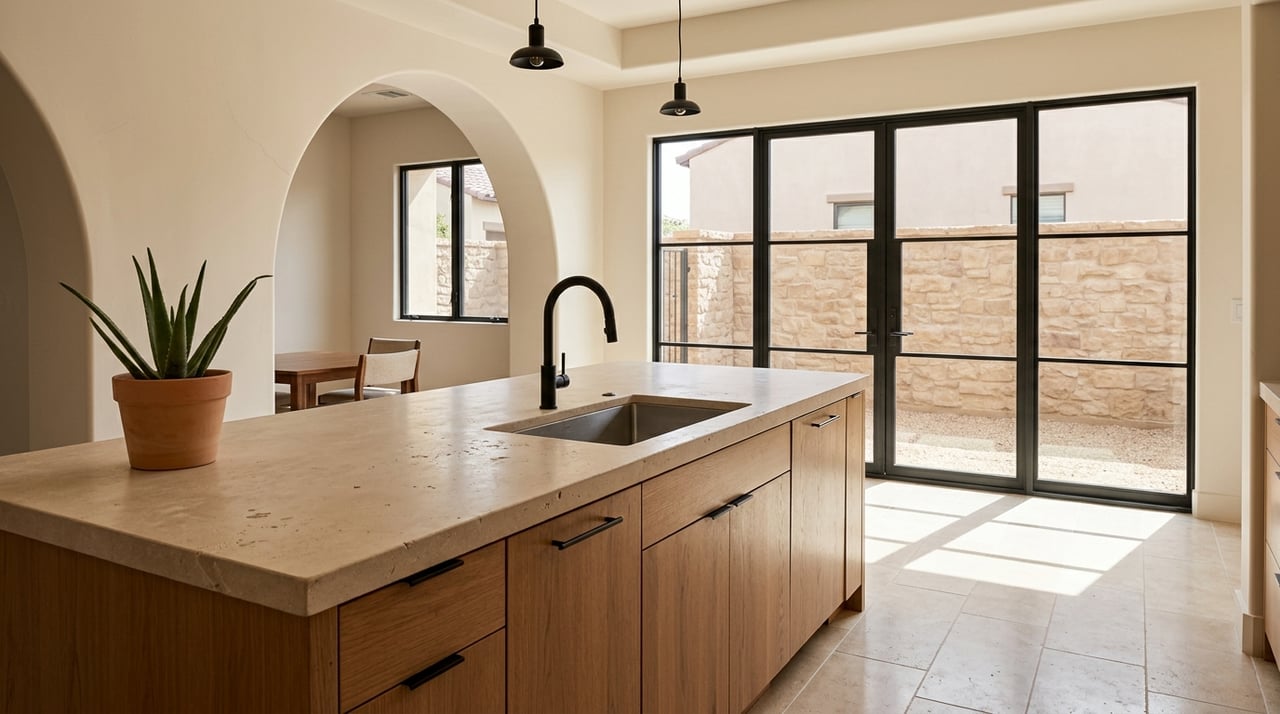
If you are getting ready to sell in DC Ranch, presentation matters more than ever. Buyers in this Scottsdale market have choices, and that means your home needs to feel polished, well cared for, and easy to picture as part of an elevated everyday lifestyle. The good news is that you do not need to overcomplicate the process. With the right prep plan, you can focus on the updates that matter most and avoid spending where buyers may not see the value. Let’s dive in.
Why DC Ranch prep needs a local strategy
DC Ranch is not just a single neighborhood. It is a 4,400-acre community made up of 26 neighborhoods across four residential villages, with an identity centered on connection, amenities, and active outdoor living.
That bigger lifestyle story matters when you prepare your home for market. Buyers are evaluating the property itself, but they are also reacting to the experience of living near trails, parks, open space, and Market Street conveniences.
DC Ranch includes 47 parks and more than 50 miles of landscaped paths and trails that connect parks, community centers, and the McDowell Sonoran Preserve. Market Street also adds a main-street-style setting with dining, shops, services, and community gathering spaces.
For you as a seller, that means your listing prep should support two goals at once. Your home should look move-in ready, and it should help buyers immediately connect the home to the DC Ranch lifestyle.
What today’s Scottsdale buyers expect
Scottsdale REALTORS® described the March 2026 residential market as balanced, with 6.11 months of inventory, a median of 44 days in RPR, and a 96.9% sold-to-list-price ratio. In plain terms, buyers have options, and they can afford to be selective.
That selectiveness usually shows up in three areas. Buyers pay attention to condition, visual presentation, and whether the home feels aligned with how they want to live day to day.
Research also points to a strong preference for homes that feel bright and open while still offering practical separation and flexibility. In many cases, that means a home does not need a major structural remodel. It needs thoughtful editing, natural light, and rooms that clearly support real life.
Start with the highest-impact basics
Before you think about design details, focus on the prep items that create the strongest first impression. These are usually the most efficient steps you can take before listing.
According to 2025 staging research, the most common recommendations were decluttering the home, cleaning the entire home, and improving curb appeal. Even agents who did not fully stage homes still recommended decluttering and correcting property faults.
That makes your first-round checklist fairly straightforward:
- Remove excess furniture and personal items
- Deep clean the entire home
- Repair visible wear and tear
- Touch up paint where needed
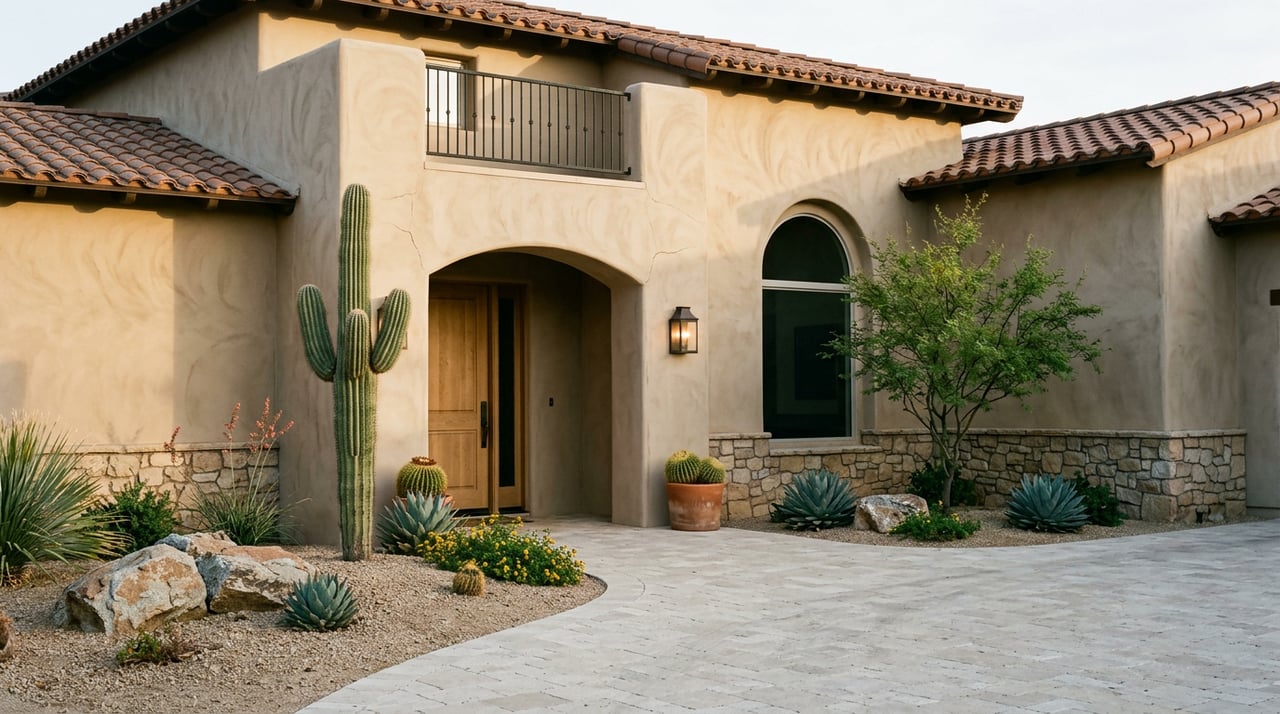
- Refresh the front entry and landscaping
- Simplify shelves, counters, and storage areas
These steps help buyers focus on the home itself instead of distractions. They also improve how the property shows in photos, which is especially important in today’s search-first environment.
Prep for the camera, not just the showing
Many sellers still think about home prep as something for in-person tours. Today, your first showing usually happens online.
In staging research, buyers’ agents said photos were highly important, along with physical staging, video, and virtual tours. That means every room should be reviewed through a camera lens before the listing goes live.
A home can feel fine in person but still look crowded, dark, or unfinished in photos. Wide shots emphasize visual clutter, poorly placed furniture, and uneven lighting. Good prep helps your home read as calm, bright, and spacious from the very first scroll.
Focus on the rooms buyers notice most
Not every room needs the same level of effort. If you want the best return on your prep time, start with the spaces buyers respond to most.
Staging research found that the living room is the most important room to stage, followed by the primary bedroom and kitchen. These are also among the most commonly staged spaces.
Living room priorities
Your living room should feel open, comfortable, and easy to understand. Remove extra chairs, oversized decor, and anything that blocks natural pathways.
Use furniture placement to define the room without making it feel crowded. If the space connects to a patio, courtyard, or backyard, make that visual connection as strong as possible.
Primary bedroom priorities
The primary bedroom should feel restful and uncluttered. Keep bedding simple, clear off dressers and nightstands, and minimize personal items.
If the room is large, avoid filling every corner. Space can feel more luxurious when it is allowed to breathe.
Kitchen priorities
In the kitchen, clean surfaces matter. Clear counters, remove small appliances when possible, and make sure lighting is working well.
You do not always need a full kitchen renovation to make a strong impression. In many cases, a clean, bright, well-maintained kitchen performs better than a heavily personalized update that may not match a buyer’s taste.
Choose light updates over major remodels
One of the most common seller mistakes is over-improving right before listing. In many cases, modest and visible updates are more effective than large custom projects.
The 2025 Remodeling Impact Report suggests that sellers often get better resale efficiency from straightforward improvements like painting, handling visible maintenance, and replacing select exterior features. The report also noted strong cost recovery for a new steel front door, closet renovation, and new fiberglass front door.
That does not mean every home needs those exact changes. It does mean buyers tend to respond well to updates they can see right away, especially when those updates make the home feel fresh and cared for.
A smart pre-listing strategy often includes:
- Full or partial interior paint in neutral tones
- Minor drywall or trim repairs
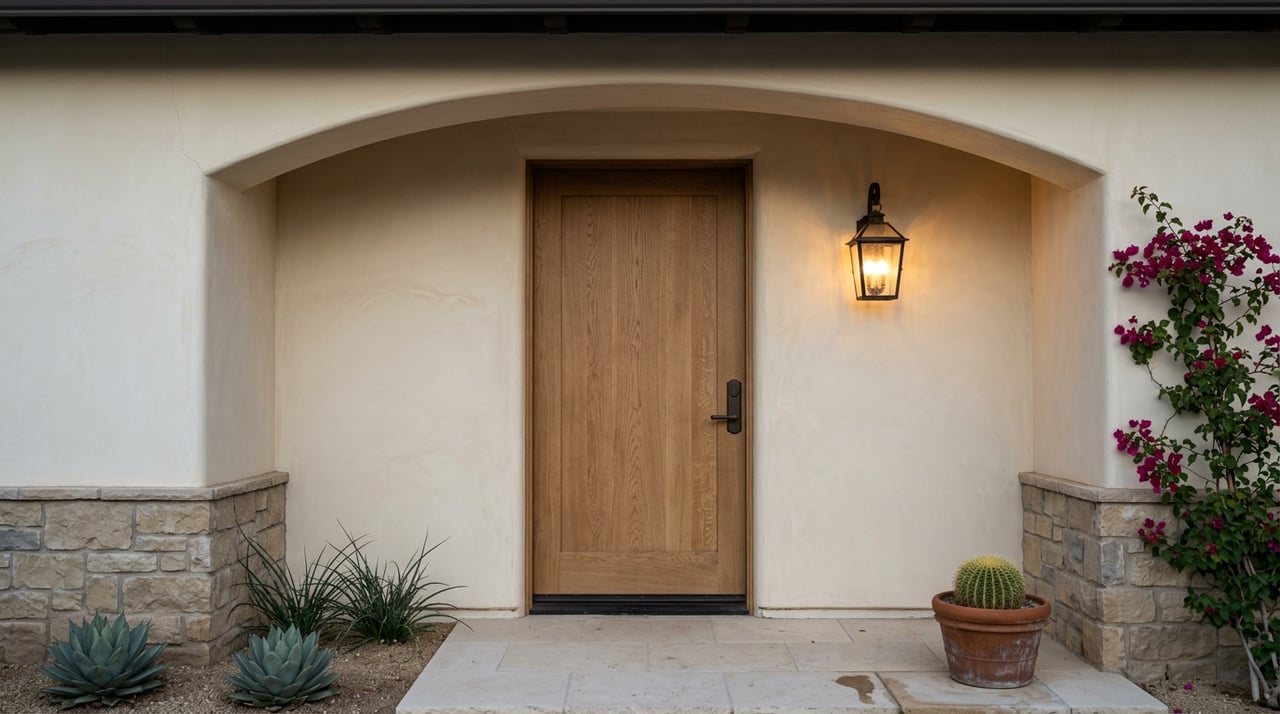
- Updated entry hardware or front door refresh
- Closet organization improvements
- Repaired roof or exterior issues if needed
- Refinished or refreshed landscaping details
If you are deciding between a large remodel and a clean, complete refresh, the refresh is often the better move unless there is a clear functional issue that needs to be solved.
Make outdoor living part of the sale
In DC Ranch, outdoor space is not an afterthought. It is part of the lifestyle buyers are shopping for.
This is especially important in a community known for trails, preserve access, parks, and time spent outdoors. Buyers are often responding to the full indoor-outdoor experience, not just square footage inside the walls.
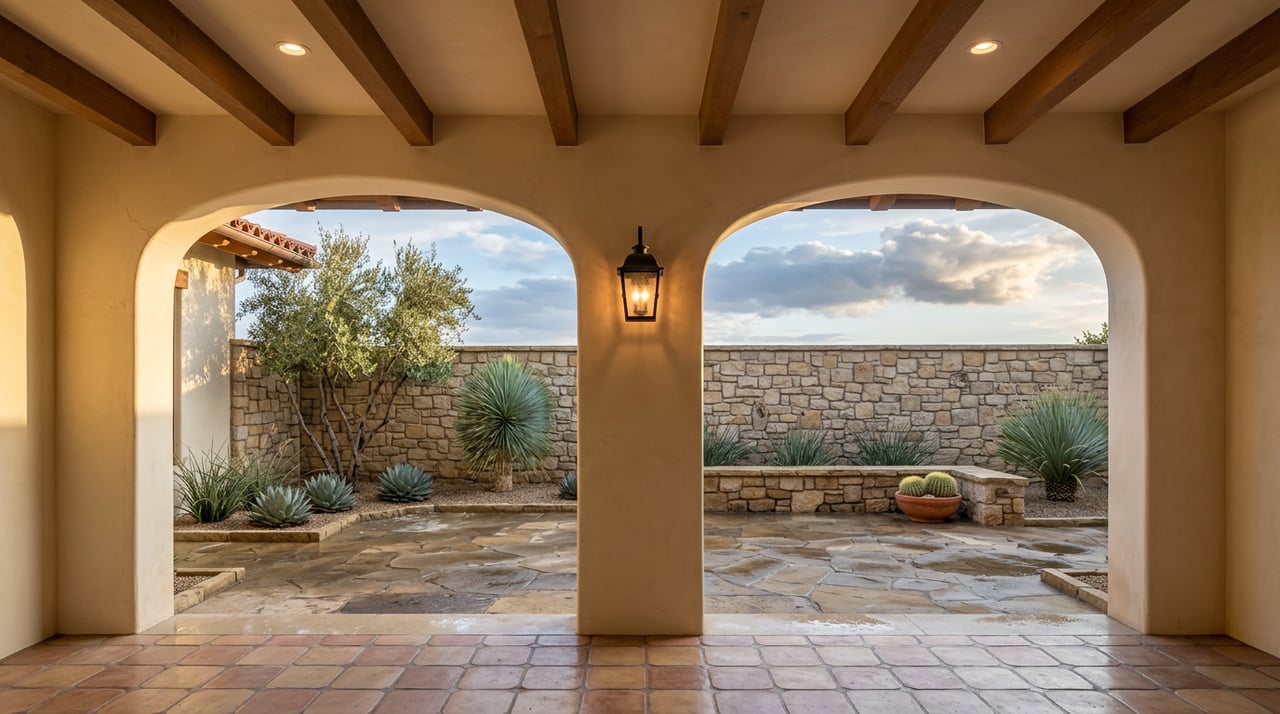
Research on outdoor presentation recommends creating distinct backyard zones, such as a lounge area, dining area, or firepit area. It also highlights the value of manicured landscaping and lighting that adds atmosphere and definition.
Outdoor areas to refine before listing
Look at your exterior spaces the same way a buyer would. Ask whether each area feels intentional, usable, and easy to enjoy.
Focus on:
- Front entry cleanliness and lighting
- Driveway and walkway condition
- Patio furniture arrangement
- Pool or spa presentation, if applicable
- Pruned plantings and tidy desert landscaping
- Courtyard or backyard zones with clear purpose
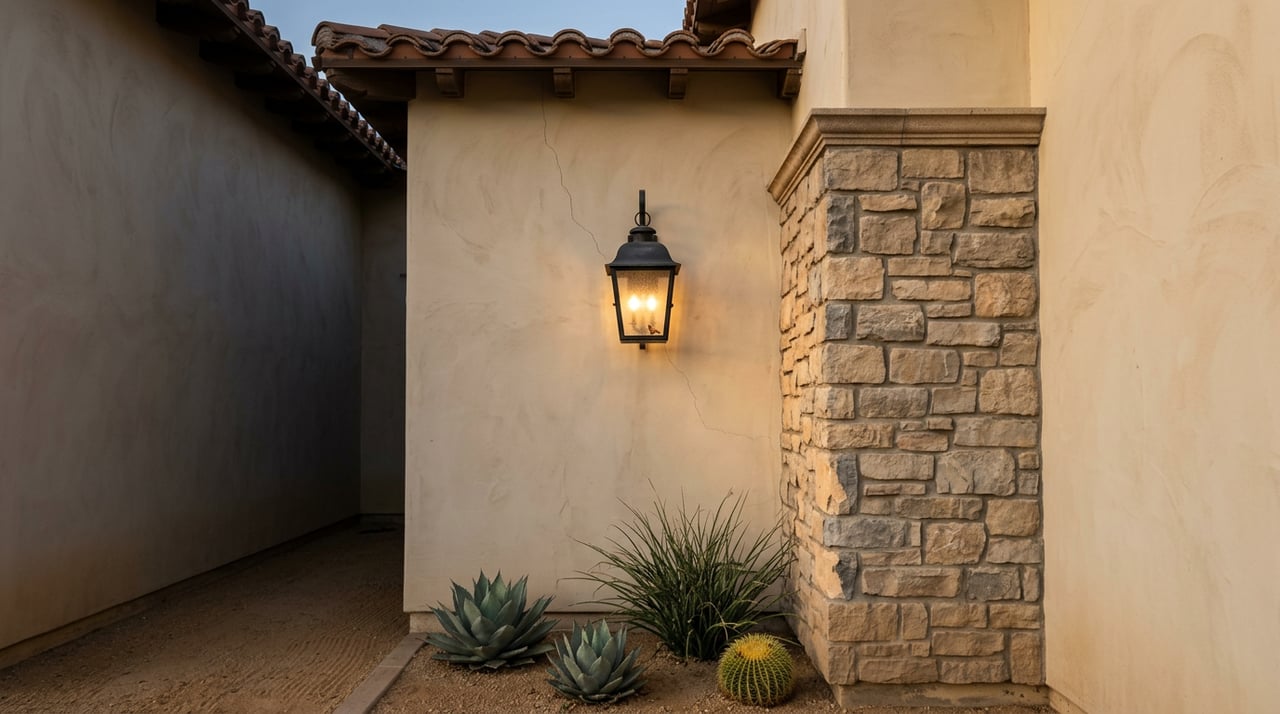
- Evening ambiance through warm outdoor lighting
Curb appeal is not optional. In outdoor remodeling research, 92% of REALTORS® suggested improving curb appeal before listing, and 97% said it is important in attracting a buyer.
Highlight the DC Ranch lifestyle clearly
Your home prep should support the story your listing will tell. In DC Ranch, that story should go beyond finishes and floor plan.
Buyers are often drawn to access to nature, trails, walkable coffee spots and casual dining, neighborhood parks, and open space. Those preferences line up closely with what DC Ranch offers through its preserve adjacency, trail network, parks, and proximity to Market Street.
That means your listing should help buyers picture daily life here. A patio that feels ready for morning coffee, a sitting area that frames desert views, or a clean path connection that feels effortless can all support that message.
If your home is near Market Street or benefits from easy access to paths, parks, or preserve areas, those points should be reflected in the presentation from day one. The prep work and the marketing should tell the same story.
Build a practical prep timeline
Most sellers benefit from a structured timeline instead of trying to do everything at once. A practical planning window is often about 4 to 6 weeks for lighter prep or 6 to 10 weeks for homes that need multiple coordinated tasks.
The goal is simple. Finish the work before the listing launches, not while buyers are already booking showings.
A simple listing-prep sequence
Use this order to keep the process moving efficiently:
- Walk the home and create a repair and refresh list
- Complete handyman items and visible maintenance
- Paint or touch up areas that need it
- Refresh landscaping and outdoor spaces
- Deep clean the property
- Stage or style key rooms
- Capture photography and video
- Launch marketing with the home fully ready
This sequence matters because each step supports the next one. Repairs improve staging, staging improves photos, and photos shape the buyer’s first impression.
Why coordinated guidance makes a difference
Selling a home in DC Ranch is rarely just about putting a sign in the yard. It is a layered process that includes preparation, presentation, timing, and positioning.
Because buyers respond strongly to condition, photos, staging, and lifestyle cues, it helps to have a clear plan before the listing goes live. When prep, visuals, and marketing all line up, your home can enter the market with a stronger first impression and a more confident value story.
If you are preparing to sell in DC Ranch, the best next step is to build a prep plan around your home’s condition, features, and location within the community. For tailored guidance and a concierge-style listing strategy, connect with Torie Ellens.
FAQs
What should I fix before selling a home in DC Ranch?
- Focus first on visible maintenance, minor repairs, paint touch-ups, deep cleaning, decluttering, and curb appeal improvements.
How important is staging for a DC Ranch home sale?
- Staging can make it easier for buyers to picture the home as their future home, especially in the living room, primary bedroom, and kitchen.
Do I need to remodel my DC Ranch home before listing?
- Not usually. Light updates and a polished presentation are often more effective than major custom remodels right before selling.
How should I prepare outdoor spaces for DC Ranch buyers?
- Create clean, inviting outdoor areas with defined uses, tidy landscaping, strong entry appeal, and lighting that helps the space feel welcoming.
How long does it take to prepare a DC Ranch home for market?
- A lighter prep plan may take about 4 to 6 weeks, while a home with multiple projects may need 6 to 10 weeks to be fully ready.
What lifestyle features matter most when marketing a DC Ranch home?
- Features tied to trails, parks, preserve access, outdoor living, and proximity to Market Street can be meaningful parts of the lifestyle story buyers are looking for.