Thinking about buying a historic home in Phoenix? You might picture a shady front porch, original tile, and a tree‑lined street close to downtown. At the same time, you may wonder how district rules work or what to expect with inspections and renovations. In this guide, you will learn what “historic district” really means in Phoenix, how Willo, Encanto–Palmcroft, and Coronado differ, and what steps help you buy with confidence. Let’s dive in.
What “historic district” means in Phoenix
A historic district groups properties that together have architectural, cultural, or historic significance. In Phoenix, the goal is to protect exterior character and the streetscape, not to control your daily life inside the home. Interior updates that do not change the exterior are usually not reviewed.
Most exterior changes visible from the street need a review. Smaller projects may be approved by staff. Bigger items, like additions or new construction, can go to a Historic Preservation Commission hearing. Demolition of a contributing structure often triggers special review and can be difficult to approve.
Plan for two tracks when you renovate. You will still need building permits, and you may also need a certificate of appropriateness or a similar sign‑off before permits are issued. Routine, like‑for‑like maintenance is generally allowed, but confirm with the City of Phoenix Historic Preservation Office before you start.
Two common misconceptions deserve a quick reset. You can change things on a historic home, but visible character‑defining features need compatible design. Historic status does not automatically raise your taxes. Incentives like the federal Historic Rehabilitation Tax Credit primarily apply to income‑producing properties, not owner‑occupied single‑family homes.
Financing and insurance remain available. Conventional, FHA, and VA loans are commonly used for historic properties. Insurers may recommend replacement‑cost coverage and endorsements for older materials, so plan time to review policy options.
Spotlight on Phoenix historic neighborhoods
Willo Historic District
Willo grew from the early 1900s through the 1940s as a close‑in, streetcar‑era neighborhood near downtown. You will find Craftsman bungalows, Tudor Revival, Spanish Colonial and Mission Revival, Colonial Revival, and other period cottages. Most homes are single story, with a few two‑story examples.
Lots feel walkable and intimate, with sidewalks, porches, and tree canopies that frame the street. Front porches and defined street‑facing facades are key to the look and feel. Renovation reviews often focus on original wood windows, porch details, and historic rooflines. Many blocks include alley garages or detached accessory buildings.
Encanto–Palmcroft
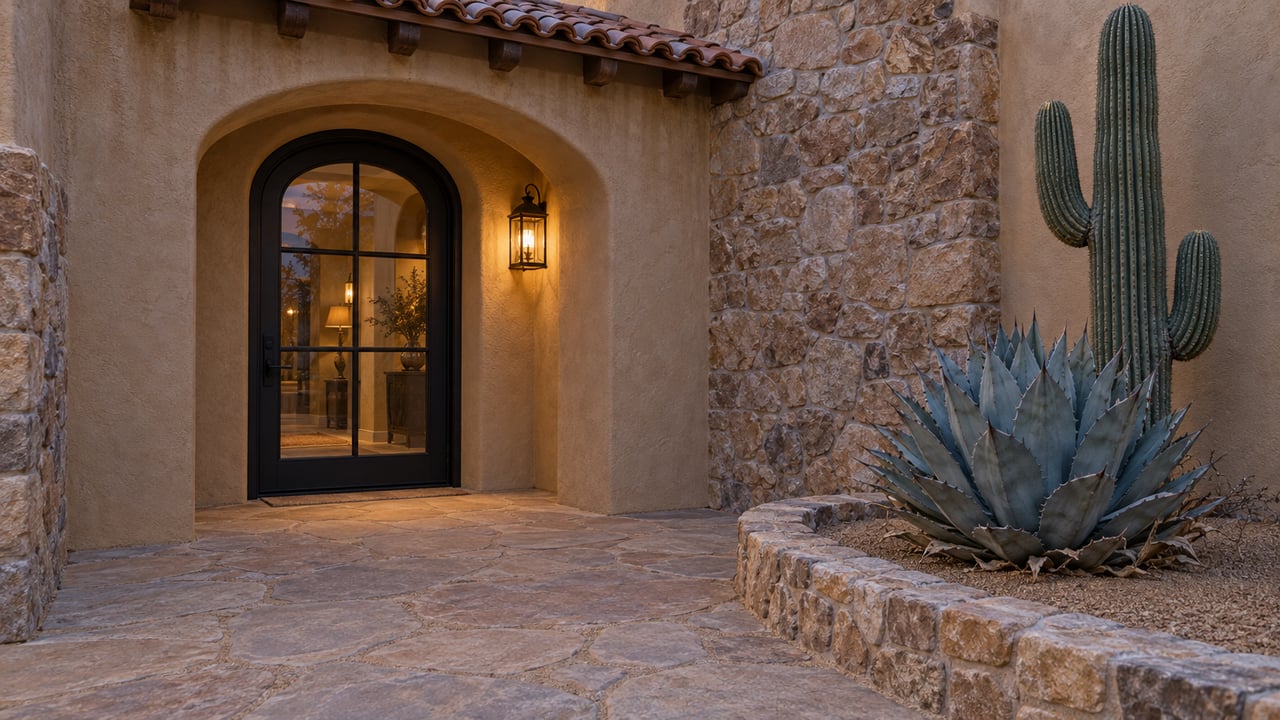
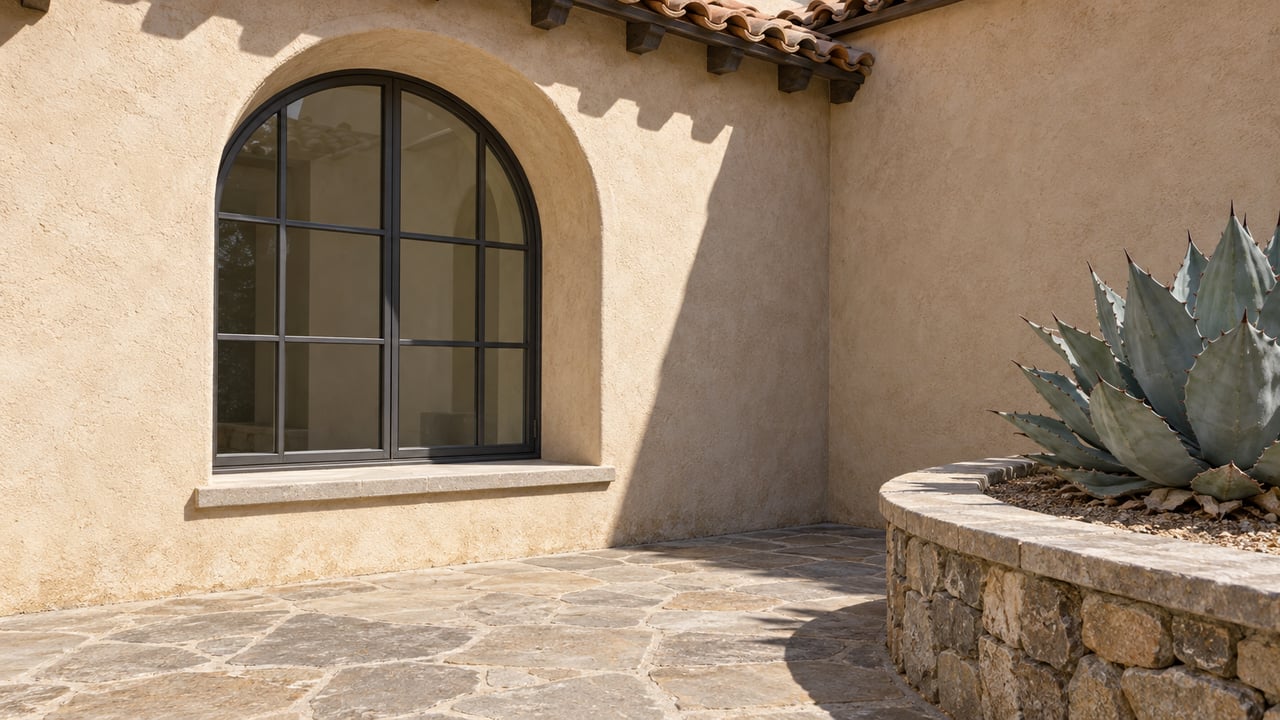
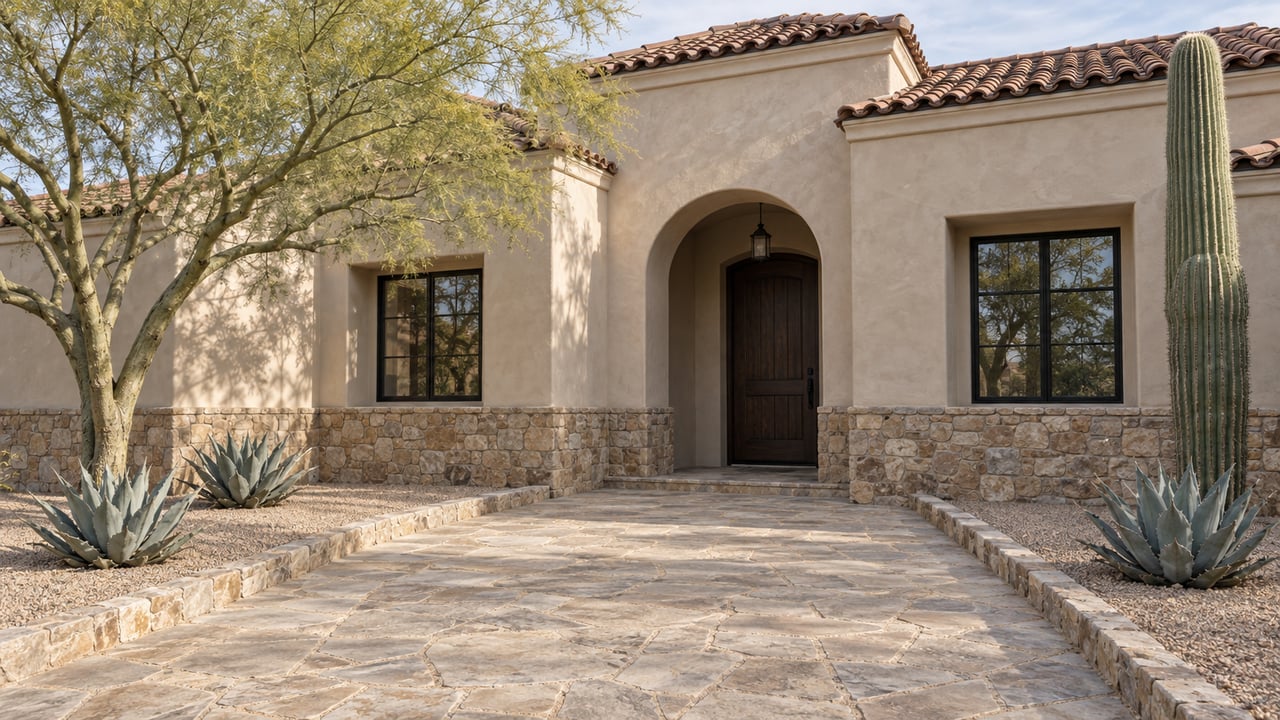
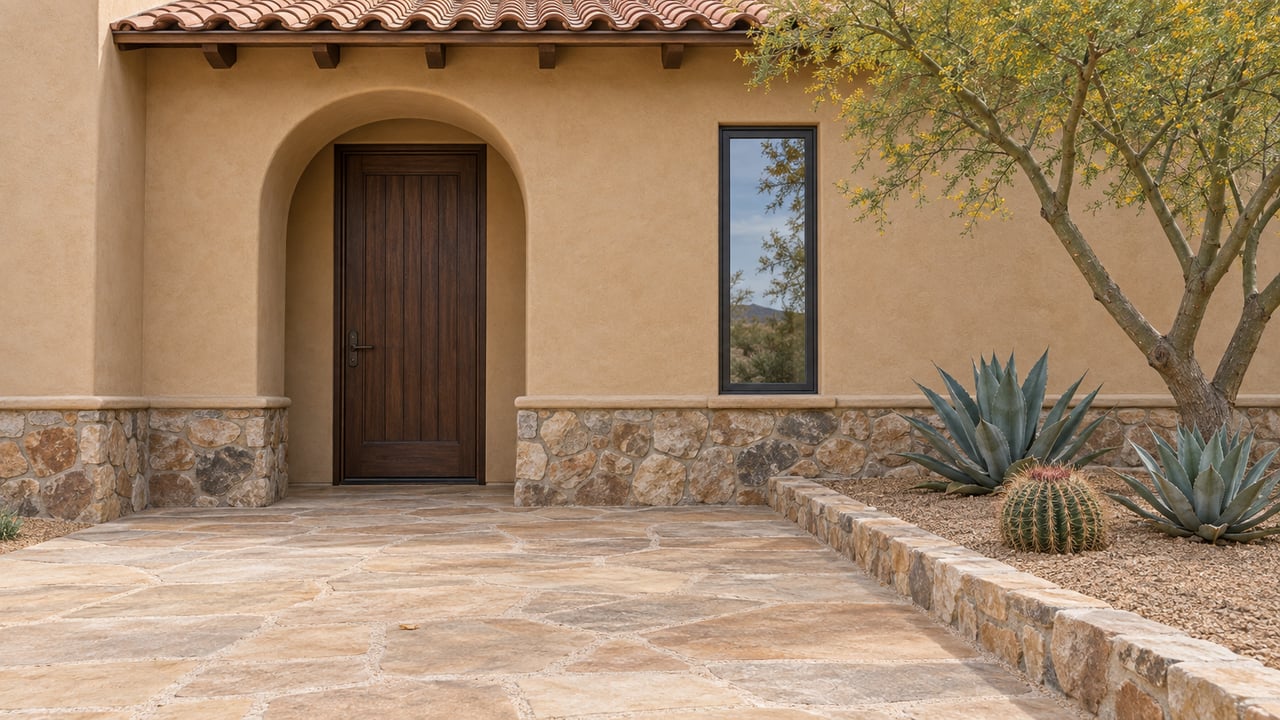
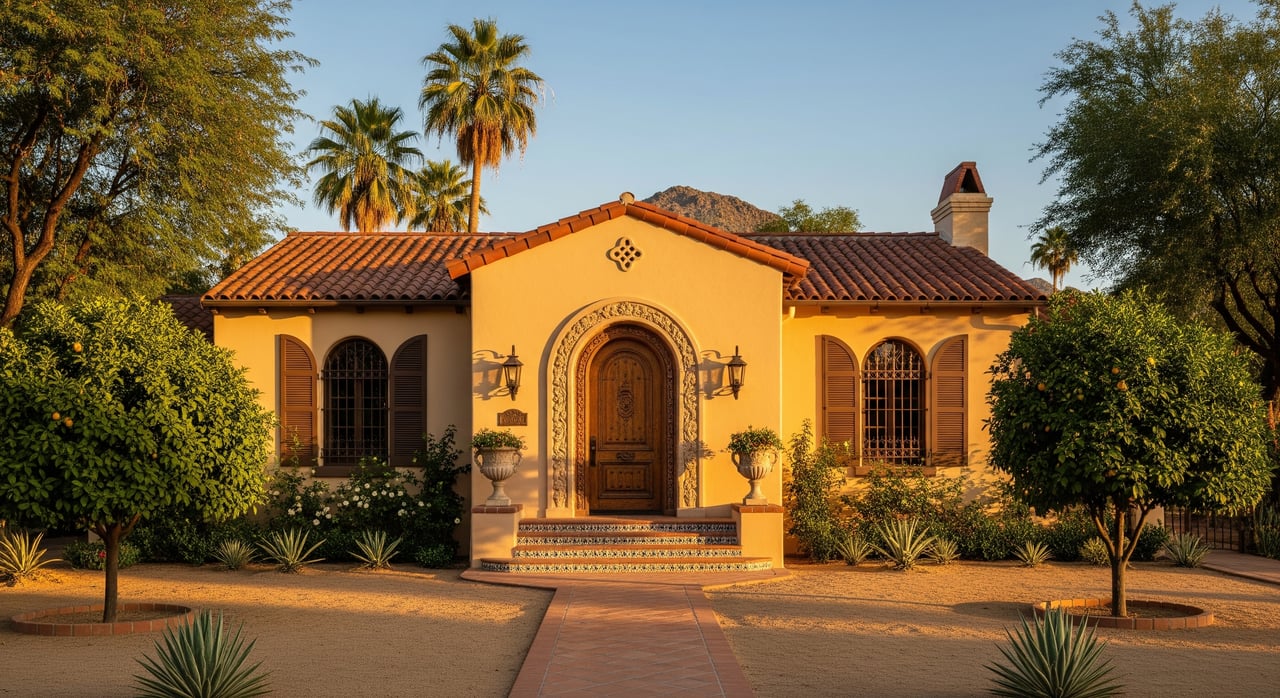
Encanto–Palmcroft reflects a planned garden‑suburb vision from the 1920s and 1930s. Expect larger lots than some nearby districts, formal landscaping, and palm‑lined streets. Architecture leans Mediterranean and Spanish Revival, Mission Revival, and English Cottage, with courtyards, arched entries, decorative tile, and stylized landscaping.
Because landscape contributes to the district’s character, changes to front‑yard walls, gates, and hardscape may draw review attention. Inside many homes you can find original wood and plaster finishes and unique tile that often benefit from specialized restoration.
Coronado
Coronado sits just east of downtown and includes early‑to‑mid 20th century homes near parks and civic amenities. Styles include bungalows, Spanish or Mission Revival, and early Ranch homes, with a mix of modest and middle‑scale houses.
Lots are walkable and modest in size, with porches, street trees, and a mix of attached and detached garages. Because the district includes a range of ages and scales, compatibility is the focus. Additions and infill are reviewed to preserve the rhythm and scale of each block.
Other central areas to know
Central Phoenix includes additional historic pockets such as Roosevelt Row commercial areas, Evans Churchill, and Heritage Square. These areas show how different preservation tools work together, including local register listings and National Register districts. For exact boundaries and status, consult City of Phoenix maps and the relevant neighborhood associations.
How designation can affect value and timing
Historic designation helps protect neighborhood character, which many buyers value for authenticity, walkability, and mature urban fabric. In some markets, this can stabilize values and sometimes support a price premium compared with nearby non‑historic blocks. The net impact varies by block condition and buyer demand.
There are trade‑offs. Some buyers love the preserved streetscape and original details. Others may factor in higher renovation costs or longer timelines. Plan for these realities in your offer strategy and due diligence window.
Inspections and common condition items
Older systems deserve a close look. Have your inspector review plumbing, electrical, and HVAC, and check whether electrical panels were upgraded. In very early homes, knob‑and‑tube wiring is possible, though rare in Phoenix.
Foundations and framing can show settlement, termite damage, or wood rot in porch columns or framing. Roofs, underlayment, and flashing may be near end of life, and replacements often receive design review. Interior finishes like plaster, hardwood floors, historic tile, windows, and decorative elements may be intact. These add value but can be costlier to restore.
Homes built before 1978 may include lead‑based paint. Some mid‑century materials can contain asbestos. Testing and, if needed, abatement planning are prudent steps during inspections.
Renovation approvals and timelines
Build in time for design review. Administrative approvals can take weeks. Commission hearings can take a month or more. Demolition reviews can add substantial time and are often difficult to clear.
Coordinate early with the City of Phoenix Historic Preservation Office and, when applicable, the neighborhood association. Ask about design guidelines, submittal requirements, and the likely review path. Be ready with current photos, measured drawings that show scale and rooflines, and material samples.
Know which scopes trigger which reviews:
- Routine maintenance or like‑for‑like repairs are often allowed without a commission hearing. Always confirm with staff.
- Visible exterior changes such as new windows, siding, or front‑yard hardscape almost always require compatibility review.
- Additions, new units, and demolitions receive the highest level of scrutiny. Compatibility with surrounding massing and scale is critical.
Using historically compatible materials can cost more than standard options. In some cases, modern materials may be approved if they closely match historic appearance and meet guidelines.
Your touring checklist for historic homes
Pre‑tour research
- Confirm whether the property lies in a local historic district and whether it is a contributing structure.
- Review any neighborhood association guidance and recorded covenants or restrictions.
- Request the city permit history and any seller records for past renovations and approvals.
On‑site checklist
- Streetscape and context: sidewalks, tree canopy, front setbacks, and neighboring changes.
- Roof, gutters, and chimneys: material, age, and signs of leaks.
- Windows and doors: original or replacement, and overall condition.
- Porches and foundations: any sagging, wood rot, or masonry issues.
- Exterior finishes: stucco, brick, tile, and ornamental trim, including repairs or patching.
- HVAC and service connections: meter locations, unit age, and visible retrofit work.
- Alley and garage access: condition of original garages or accessory structures.
- Interior character: built‑ins, fireplaces, floors, plaster, and other period elements.
- Deferred maintenance: peeling paint, missing flashing, or vegetation near the foundation.
Questions to ask the seller or listing agent
- Is the home contributing to a local historic district or individually designated?
- Are there approvals on file for prior exterior work, additions, or demolitions?
- Are any covenants, easements, or conservation agreements recorded on title?
- What is the permit history for electrical, plumbing, structural work, and additions, and were permits closed?
- Were any historic tax incentives or grants used on this property?
- Has a preservation architect or consultant reviewed the home in the past?
The right team for your purchase
Working with the right professionals can save time and protect your budget. Engage a real estate agent who knows Phoenix historic districts and the city review process. Hire a licensed home inspector experienced with older homes. Consider specialists for roof, foundation, termite, and HVAC.
If your scope includes additions or major exterior changes, a preservation architect or designer can help with plans, cost estimates, and review applications. Choose a contractor with historic rehabilitation experience and ask for references in local districts. If you are exploring income‑producing uses that may qualify for historic tax credits, involve a preservation consultant and a tax professional early.
The Torie Ellens Team supports buyers across Maricopa County with a concierge approach and deep knowledge of central Phoenix. You get clear timelines, trusted referrals, and a smooth process from first tour to close. We help you balance district guidelines with your design goals so you can plan improvements with confidence.
Next steps and local resources
Follow these steps to move forward with clarity:
- Confirm the property’s designation status and whether it is contributing to a district.
- Pull permit and alteration history early in your due diligence period.
- Budget for specialist inspections and, if preserving original elements, for restoration‑grade materials.
- Meet with city preservation staff or the neighborhood association before finalizing renovation plans to preview likely approvals and timing.
- For large projects, consult a preservation architect and, if needed, an attorney familiar with local land‑use processes.
Helpful resources to consult by name: City of Phoenix Historic Preservation Office, Phoenix Historic Property Register, National Register of Historic Places, Arizona State Historic Preservation Office, and neighborhood associations for Willo, Encanto–Palmcroft, and Coronado. The Maricopa County Assessor and Phoenix Planning and Development provide property and permit records.
Ready to tour historic Phoenix with a plan and a partner who knows the process inside and out? Connect with Torie Ellens to map your options, line up inspections, and move forward with confidence.
FAQs
What defines a historic district in Phoenix?
- A locally designated area where exterior character and streetscape are preserved through review of visible changes while most interiors remain unregulated.
Can I modernize kitchens and baths in a historic home?
- Yes, interior updates that do not change the exterior are generally allowed, and exterior changes typically need a compatibility review.
Do historic districts raise property taxes or closing costs?
- Not directly; taxes and closing costs are unchanged, though renovation timelines and material costs can be higher for compatible work.
Can I demolish a contributing historic house?
- Demolition usually triggers a special review, is discouraged, and can be time‑consuming with documentation and public process requirements.
Are loans and insurance available for historic homes?
- Yes, buyers commonly use conventional, FHA, or VA loans, and insurers offer coverage with options for replacement‑cost endorsements.
How long do historic approvals take in Phoenix?
- Administrative reviews can take weeks, commission hearings may take a month or more, and demolition reviews can add substantial time.