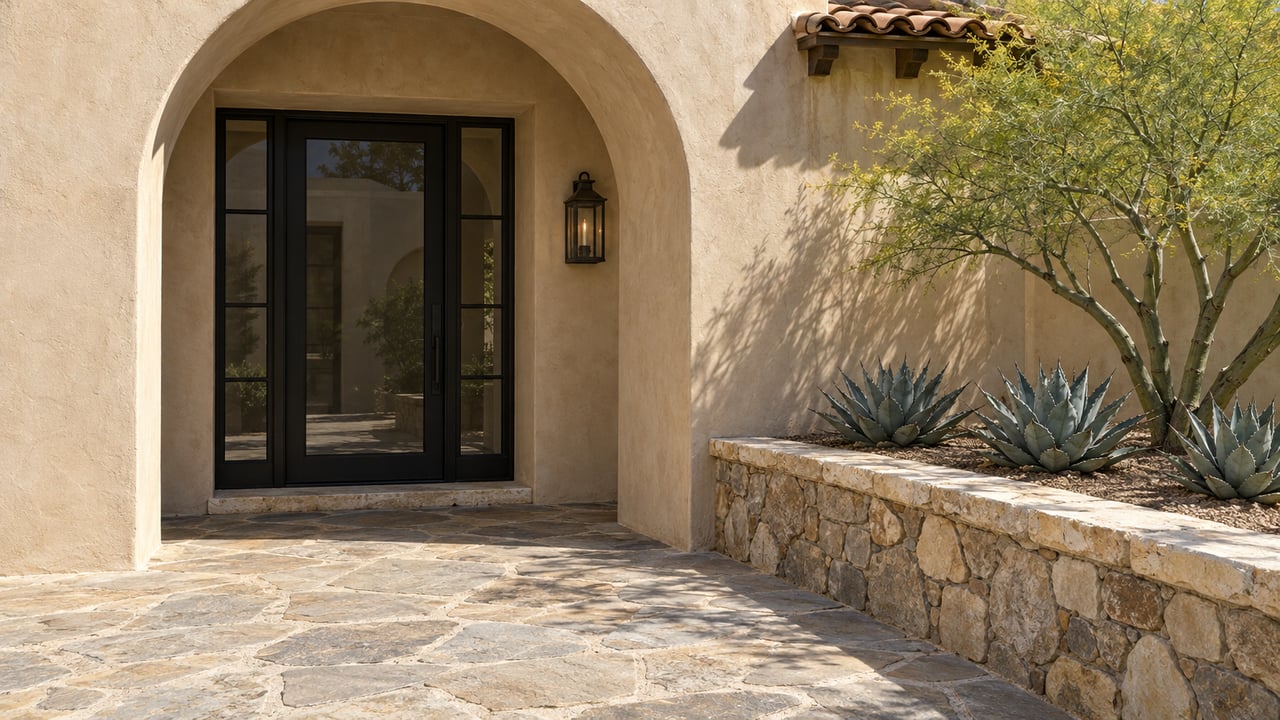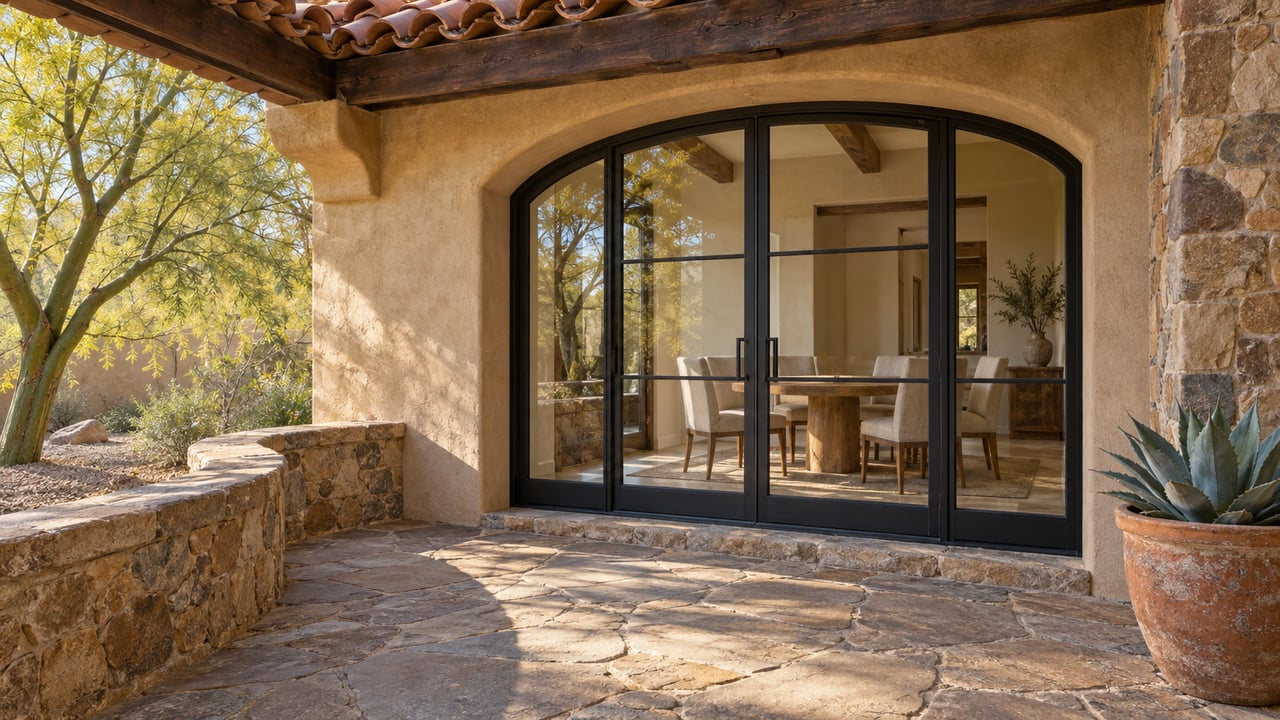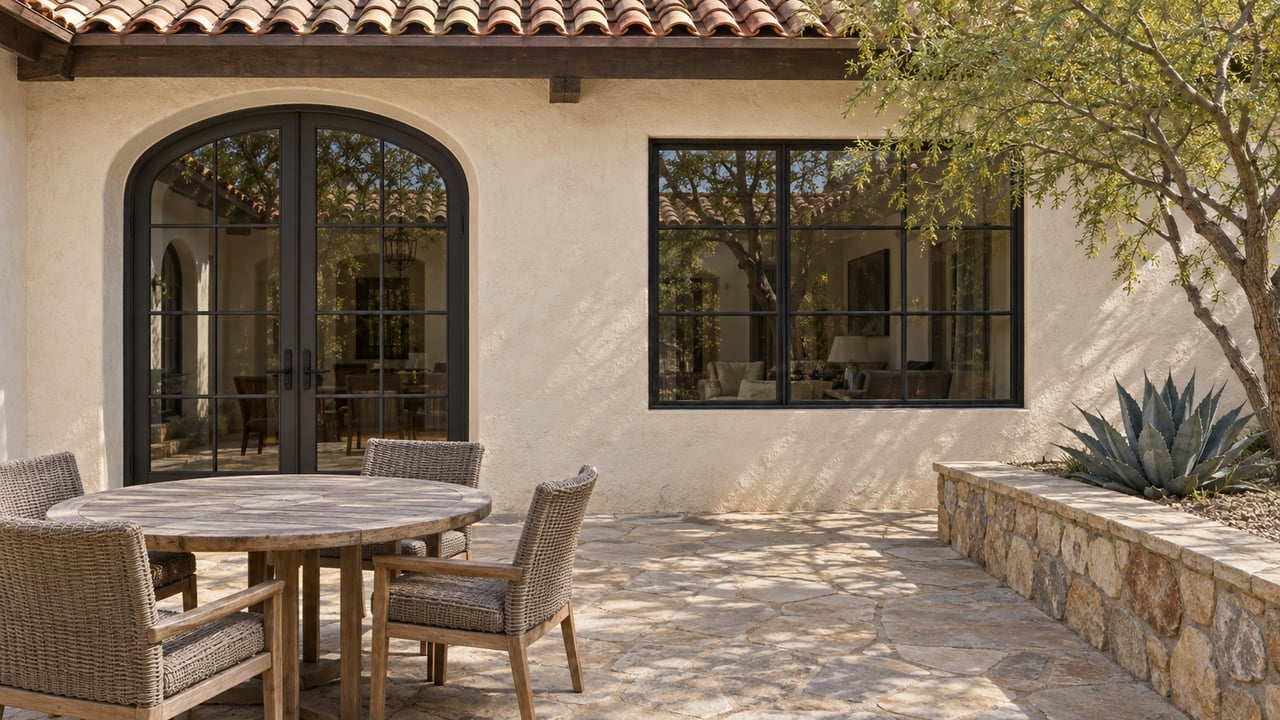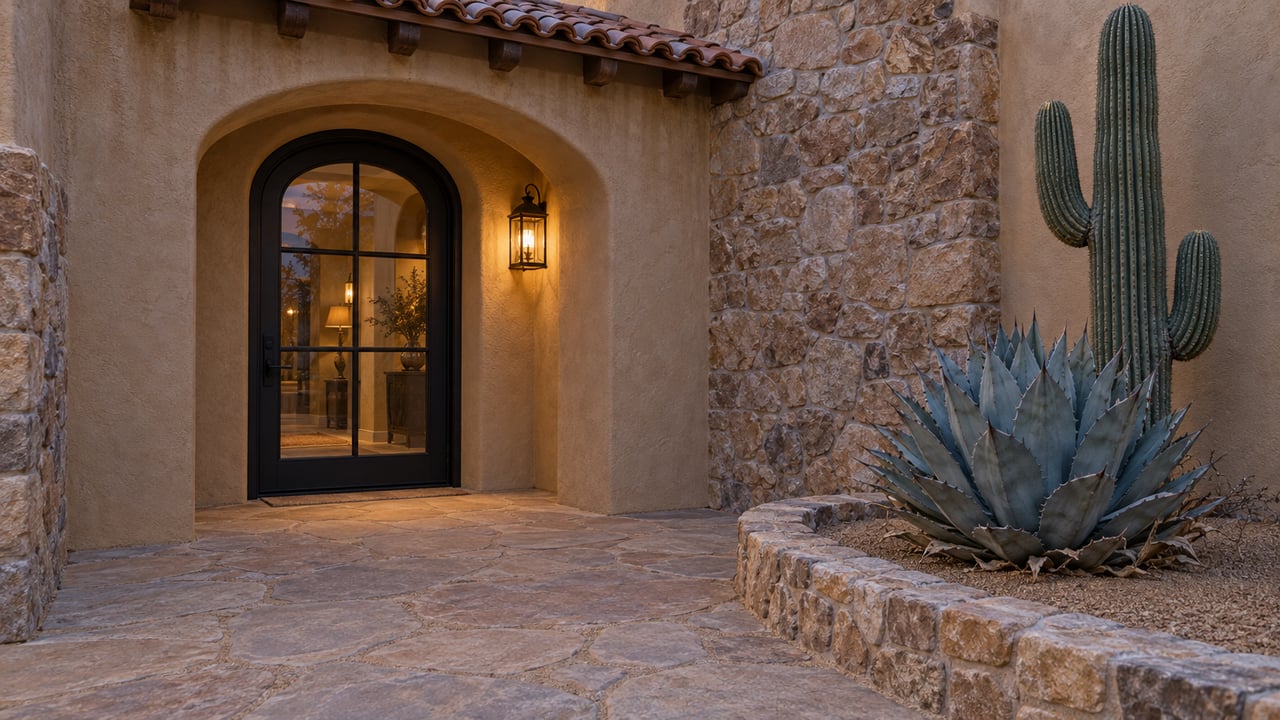
A DC Ranch seller may receive an email reporting that the Ranch Association has completed its external inspection and flagged items such as cracked stucco, dead irrigation, or a pergola that was never submitted for architectural approval. That doesn't mean the sale is off. What the seller is looking at is a clock, not a wall, and the distinction is worth understanding when that email arrives.
That gap between what sellers expect and what actually happens is the reason this piece exists. DC Ranch runs its resale process differently than most master-planned communities in north Scottsdale, and the difference matters to owners who've been away for a season: the rules didn't take a break just because they did.
Two Inspections, Not One
Every Arizona HOA resale involves a disclosure statement. Arizona Revised Statutes § 33-1806 requires the association to prepare and deliver that statement, and it caps what the association can charge for preparing it at $400. That part is standard across Arizona and has nothing to do with DC Ranch specifically.
What DC Ranch adds on top is a second, separate step: a physical, external inspection of the property, performed by the Ranch Association itself, specifically to check for violations of the CC&Rs. This isn't optional and it isn't the same thing as the disclosure paperwork. The Association describes it as required per state statute, and it covers architectural condition and landscaping together, meaning the same visit that checks whether your pergola was ever approved also checks whether your ground cover is alive. The report goes straight to the title company, where it becomes part of what buyer and seller see in escrow.
Here's the fee structure a seller should actually expect, pulled directly from the Ranch Association's own resale documentation:
| Item | Cost | What triggers it |
|---|---|---|
| Disclosure statement preparation | Capped at $400 under Arizona law | Standard on every HOA resale in the state |
| Ranch Association external inspection | $100 for a residential property | Required on every DC Ranch resale, non-optional |
| Electronic document transmission | Separate line item | Charged by HomeWiseDocs.com, the portal DC Ranch uses to deliver disclosures |
| Rush turnaround | Additional fee applies | If documents are needed in fewer than ten calendar days |
None of these fees are large individually. What surprises sellers is that there can be four of them stacked in one transaction if rush turnaround is requested, and that one of the four exists specifically to inspect the outside of their house for compliance, not just paperwork.
Non-Compliant Doesn't Mean Dead
This is the part that trips people up. When the external inspection finds a violation, the Ranch Association's own language is direct about what happens next: the property can still close even if it's found non-compliant. If the flagged issues aren't fixed before closing, the owner and the Association work out a mutually agreed remedy plan, with a window that runs anywhere from 10 to 180 days depending on how expensive or complicated the fix is. The Association also states plainly that it isn't liable if a transaction falls apart over what the report finds.
So the report functions less like a pass or fail gate and more like a disclosed condition with a deadline attached. A buyer and seller can negotiate around it the same way they'd negotiate around a failed pool heater. The difference is that this particular condition comes from the HOA, not a home inspector, and it lands in the file automatically rather than showing up only if a buyer thinks to ask.
Sellers who find this out for the first time during escrow lose leverage they didn't need to lose. Sellers who find it out before listing can decide whether to fix the pergola or price around it, on their own timeline instead of a buyer's.
The Fix Most Sellers Never Use
DC Ranch actually offers a way around the surprise. Before listing, or at any point leading up to it, a homeowner can submit a pre-inspection request and have a Community Standards Specialist walk the property early, flagging the same categories of issue the mandatory inspection will later check. It's the same review, run on the seller's schedule instead of the transaction's.
There's one wrinkle worth knowing. If closing is already inside 30 days, the Association tells sellers not to bother submitting this request, because the mandatory inspection will happen anyway on that timeline and the early one would be redundant. In other words, the pre-inspection only earns its keep if you use it early, which means the sellers who benefit most are the ones who think about listing before they've picked a closing date, not after.
Why the Village You're In Changes the Math
DC Ranch isn't one association, it's a layered one. The Ranch Association handles communitywide rules, but the community itself is split into four villages, Country Club, Desert Camp, Desert Parks, and Silverleaf, and homes inside several of those villages sit under an additional sub-association with its own dues and, in some cases, its own review requirements on top of the master inspection. A seller in a sub-association needs to confirm what that layer adds before assuming the master process is the whole story. Combined master and village dues run into the low hundreds of dollars a month for most of the community, and meaningfully higher in Silverleaf once its private club obligations are factored in. The inspection fee structure above is the master-level floor. It is not necessarily the ceiling.
The Part That Isn't About the House at All
Two more rules shape how a DC Ranch listing actually runs day to day. Signs have to be registered with the Ranch Association and follow specific size and placement limits. Open houses have to be registered too. And gate or alarm codes cannot appear anywhere in MLS listings or marketing materials, which means agents coordinate showings through Security directly rather than publishing access information the way they might in a non-gated subdivision.
This can change how a listing gets set up in week one, and sellers who hear about these rules from their agent in advance can coordinate showings before a buyer's agent tries to schedule one.
Frequently Asked Questions
Can the Ranch Association's inspection stop my sale from closing? No. The Association's own documentation states the property can still close even after a non-compliant finding. Unresolved issues instead move into a negotiated remedy window of 10 to 180 days.
Who pays the $100 external inspection fee? DC Ranch lists it as a resale property fee without specifying buyer or seller by default, which means it's typically addressed in the purchase contract like other closing costs. Confirm the allocation with your agent before opening escrow.
Does requesting the pre-listing inspection replace the mandatory one? No, but it lets you see the same categories of issue on your own schedule. The Association specifically advises against requesting it if you're already inside a 30-day close, since the mandatory inspection will cover that ground regardless.
Do all four villages follow the exact same process? The external inspection and disclosure fee structure come from the master Ranch Association and apply community-wide. Homes inside a sub-association may carry additional review steps or fees layered on top, so confirming your specific village's rules early avoids finding out about them mid-escrow.
If you're weighing a DC Ranch sale and want a clear read on how your specific village's rules and timeline actually play out, the Torie Ellens Team can walk the property with you before it ever hits the market. Schedule Your Concierge Consultation and we'll map the process before it maps itself onto your closing date.
This article is general information, not legal, tax or financial advice. Consult a qualified professional about your situation.