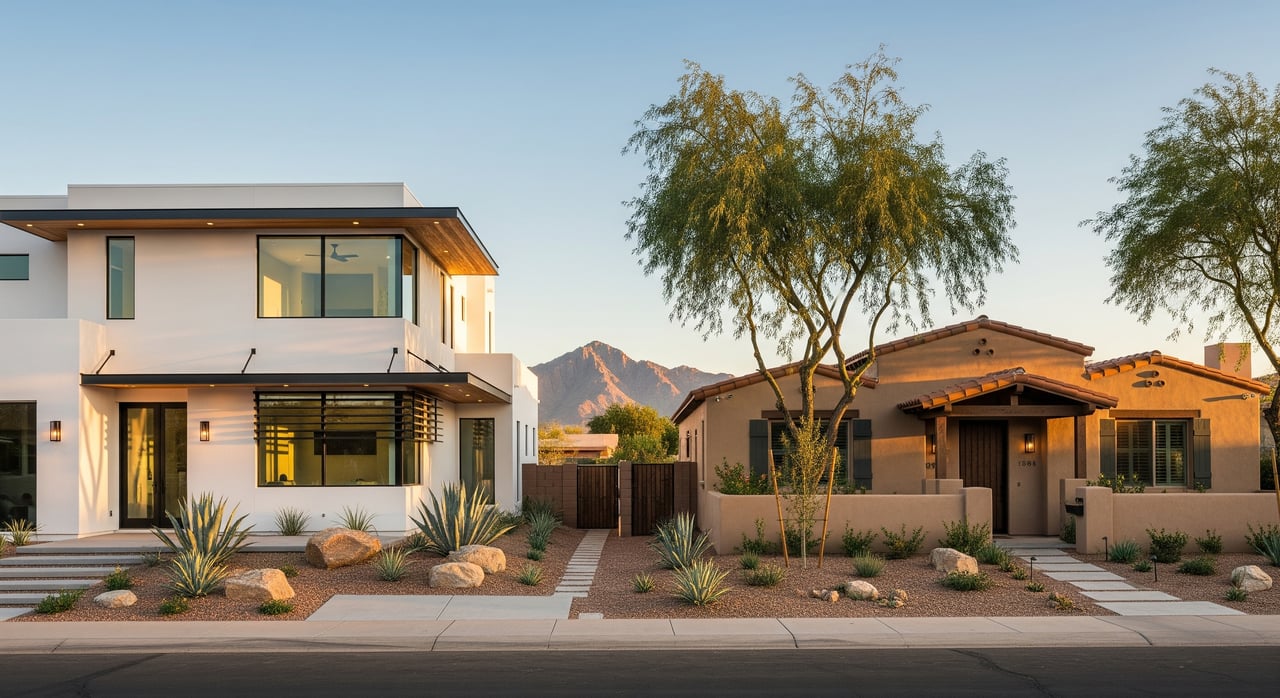
Trying to decide between a brand‑new build and a resale home in Phoenix? You are not alone. With steady growth across Maricopa County and a wide mix of master‑planned communities and established neighborhoods, the choice can feel overwhelming. In this guide, you will learn the real tradeoffs on timelines, costs, warranties, inspections, financing, and location so you can choose with confidence. Let’s dive in.
Phoenix new builds at a glance
New construction in the Valley typically comes in three forms: spec homes, presale homes, and semi‑custom or custom builds. Spec homes are already under construction and can often close in a few weeks to a couple of months once complete. Presales let you choose a lot and floor plan, with typical build times of about 4 to 9 months in normal cycles and 9 to 12 or more months when permitting or builder backlogs slow things down. Semi‑custom and custom homes offer more control but usually take 9 to 18 or more months and cost more.
You will see many new communities in growth corridors such as Buckeye, Goodyear, Queen Creek, and the City of Maricopa, plus pockets of Chandler and Gilbert. Freeway access matters in Phoenix. Consider your commute to major routes like I‑10, Loop 101, Loop 202, Loop 303, and SR‑87 when you compare communities.
Resale homes at a glance
Resale homes give you built‑in neighborhood context and an immediate move‑in timeline. In central and established areas like Arcadia, Midtown, central Phoenix, and parts of Tempe and Scottsdale, you will find mature landscaping, larger trees, and unique architecture that mass‑production builders rarely replicate. You can assess roof age, HVAC condition, windows, and other major items during inspection and negotiate repairs or credits.
The tradeoff is potential deferred maintenance and older systems. You may also retrofit for energy efficiency or modern layouts. Some infill areas have smaller or irregular lots, so weigh parking and storage needs when you tour.
Cost realities in Phoenix
For new construction, the advertised base price is only a starting point. Most buyers add design center upgrades for cabinets, counters, flooring, tile, lighting, and fixtures. These choices often land in the low‑to‑mid five‑figure range, and structural or lot options can add tens of thousands. Always ask for itemized pricing and allowances in writing.
Lot premiums and landscaping can be meaningful. Many builders include minimal front landscaping. Full yard design, irrigation, and fencing can add about $5,000 to more than $30,000 depending on lot size and scope. In the desert, smart irrigation and desert‑adapted plant choices help manage water and long‑term upkeep.
For resale, the cost picture can be clearer up front. You can see present condition and plan for upgrades. You may also negotiate price, seller credits, or repairs depending on market conditions and the seller’s priorities.
Warranties and repairs
New builds usually include a tiered warranty pattern. Many builders provide 1 year for workmanship and materials, 2 years for systems like electrical, plumbing, and HVAC, and around 10 years for major structural defects. Review the builder’s written warranty, including exclusions and the process for submitting punch‑list items before closing and at the one‑year mark.
Resales do not come with builder warranties unless a recent build’s coverage still applies. Your protection comes from thorough inspections, seller disclosures, and your purchase contract. You can request repairs, credits, or price adjustments based on findings.
Inspections that protect you
For new construction, independent inspections are worth it. Consider milestone checks such as pre‑pour, pre‑drywall, and a comprehensive final inspection. Some builders limit access at certain stages, so confirm what is allowed in your contract.
For resale, plan for a general home inspection plus specialized inspections as needed. Roof, HVAC, pool, pest, and even a sewer scope can be smart in the Valley. Arizona requires seller disclosures, but independent due diligence helps you avoid surprises.
Financing and builder incentives
Builders often offer incentives such as interest rate buydowns, closing cost contributions, or price concessions. These may require you to use a preferred lender. Compare any offer to market rates and consider appraisal risk if your home has heavy upgrades.
Most buyers use standard mortgage products for both completed new builds and resales. If you are exploring a custom build, you may use construction‑to‑perm financing. Always align loan timelines with construction milestones and contingency terms.
Location, commute, and lifestyle fit
New subdivisions often sit farther from downtown Phoenix and major employment centers. If your priority is a short commute, established neighborhoods near central Phoenix, Midtown, or parts of Scottsdale and Tempe may fit better, though prices can reflect the location premium.
Mature lots are a quality‑of‑life factor in our climate. Older neighborhoods with large trees and shade can feel noticeably cooler and more private. New communities can take years to grow that canopy. Weigh that timeline against your lifestyle and budget for landscaping.
HOA, schools, and infrastructure timing
Many master‑planned communities in Maricopa County include mandatory HOAs. Review governing documents, budgets, and reserve studies, especially when amenities like pools, parks, and clubhouses are promised. In new phases, amenities may open later.
If schools factor into your decision, confirm current school assignments and check planned school openings for new communities. Cities and developers often phase in infrastructure like parks and retail. Ask about timing and temporary arrangements.
Appraisals and negotiation dynamics
Appraisals for new builds can be sensitive when nearby comparable sales are limited, especially for heavily upgraded homes. If the appraisal comes in lower than the contract price, you may need a plan for the difference. A strong agent will help you evaluate comps and structure your financing strategy.
With resale homes, you can often negotiate more directly on price, credits, or repairs depending on supply and demand. Your leverage varies with the local market snapshot, which can shift with mortgage rate changes and inventory.
Quick decision checklist
Use this practical checklist to compare specific homes:
-
Timeline
- Need to move soon? Consider a resale or a near‑complete spec home.
- Can you wait 6 to 12 months? A presale or custom build may work.
-
Location
- Want central proximity, mature trees, or shorter commutes to I‑10 or Loop 101? Lean resale.
- Prefer new amenities and master‑planned living along Loop 202 or Loop 303 corridors? New construction fits.
-
Budget transparency
- Comfortable with base price plus design center upgrades and lot premiums? New build.
- Prefer a known all‑in cost and negotiated repairs or credits? Resale.
-
Customization
- Want modern systems, energy efficiency, and floor plan options? New build.
- Want architectural character and established landscaping? Resale.
-
Risk tolerance
- Ok with construction delays and relying on a builder warranty? New build.
- Prefer visible condition and inspection‑driven repairs? Resale.
-
HOA and amenities
- New communities may have developer‑run HOAs and future amenities. Review costs and timing.
- For resale, review HOA health, reserves, and any planned assessments.
How we guide Phoenix buyers
Choosing between new and resale is personal. Your ideal answer depends on your timeline, commute, budget, and tolerance for upgrades or maintenance. You deserve clear numbers, honest tradeoffs, and steady communication from first tour to keys in hand.
Our team lives this market daily across Scottsdale, Paradise Valley, Arcadia, and Valley suburbs like Gilbert, Mesa, Peoria, Queen Creek, Buckeye, and Goodyear. We help you compare local comps, decode builder contracts, price out design center choices, and negotiate resale repairs. We also connect you with trusted lenders and inspectors so your plan is solid from day one.
Ready to talk through your path? Schedule your Concierge Consultation with Torie Ellens and get a frustration‑free plan tailored to you from top Scottsdale real estate agents.
FAQs
How long does a new build take in Phoenix?
- Most presale builds take about 4 to 9 months in typical cycles, with 9 to 12 or more months possible if permitting or backlog slows progress.
How much do design center upgrades add in new builds?
- Expect wide ranges: common finish upgrades can land in the low‑to‑mid five figures, while structural or lot options may add tens of thousands.
What does a builder warranty usually cover in Arizona?
- Many builders follow a 1‑2‑10 pattern: 1 year for workmanship and materials, 2 years for systems, and about 10 years for major structural defects.
Should I inspect a new construction home?
- Yes. Hire independent inspectors for milestones like pre‑drywall and final; confirm access and scheduling in your builder contract.
What hidden costs should I watch for in Phoenix?
- Budget for lot premiums, full yard landscaping and irrigation, and any community fees; also review HOA budgets and planned amenities.
Which has better resale value: new or resale?
- Location and lot quality drive long‑term value more than age; a well‑located resale with mature landscaping can outperform a remote new home.
Do builders negotiate on price in Maricopa County?
- Builders often prefer incentives like rate buydowns or closing cost credits and may be less flexible on list price when sales are strong.
What if the appraisal is low on a new build?
- You may need to cover a gap, renegotiate, or adjust financing; plan ahead if you choose heavy upgrades without strong comparable sales.
Is a spec home different from a presale?
- Yes. Spec homes are already under construction and can close faster, while presales start earlier and usually require a longer build timeline.